![How Much Does It Cost to Maintain a Home Elevator? Why Use Elevator Maintenance Software? [Updated for 2026]](https://blog-admin.getfieldy.com/wp-content/uploads/2025/10/How-Much-Does-it-Cost-To-Maintain-Home-Elevator.webp)
🏡 Introduction
Home elevators no longer bear prestige with palatial mansions. In 2026, it would be a pragmatic choice for multi-level homes here and there, offering convenience for land-based working residents and a sprinkle of contemporary living. The global elevator maintenance market size stood at $35.76 billion in 2026 and is projected to swell to $61.12 billion by 2032, at a CAGR of 8% hence demonstrating the growing rise in the installation and maintenance requirement while homeowners regard elevators as a lifestyle upgrade and accessibility-based solution.
Elevators, like any mechanical system, need regular maintenance to stay safe, efficient, and long-lasting while avoiding costly emergency repairs. No wonder many homeowners ask, “What’s the cost to maintain a home elevator?”
This article explores the key costs involved, the factors that influence them, and how elevator maintenance software such as Fieldy can significantly reduce expenses while boosting reliability. It also examines which platforms rank as the most expensive elevator management software in the Top 5 Best Elevator Management Software in FSM Business for 2026.
💲 How Much Does It Cost to Maintain a Home Elevator?
Maintaining an elevator in one’s home can set you back anywhere between $200 and $600 a year, on average; this would be for standard maintenance. It usually consists of regular inspections, lubrication, and minor adjustments to keep everything running smoothly. The sudden occurrence of breakdowns can make the expenses spike, with visits having chargeable standards as high as $1,000 if major components require repair or replacement.
Several factors come into consideration when determining how much does it cost to maintain an elevator:
🛗Elevator types
Several factors determine how much does it cost to maintain an elevator:
- Type of Elevator
- 🛢️Hydraulic elevators are quite common but require oil level checks and pump maintenance. Over time, the hydraulic seals, as well as the cylinders, develop leaks, hence requiring more frequent maintenance.
- ⚖️The traction elevators work with ropes and counterweights. They are energy efficient but come with higher price repairs on the motor or gearbox.
- 🌪️Pneumatic elevators have very few moving parts, thus cheaper to maintain on an annual basis, but when replacement is required, specialized parts can be really expensive.
- 🔄Usage Frequency
A family using the elevator multiple times daily will see more wear on cables and sensors compared to households where it’s used occasionally. - ⏳Age of the System
Just like cars, older elevators require more frequent inspections and replacement of outdated components. An elevator over 15 years old may cost 30–40% more annually to maintain than a newer model. - ⚡Preventive vs Reactive Maintenance
Data from Facility Executive Magazine shows that reactive maintenance can cost 3–4 times more than preventive maintenance due to emergency labor charges and unplanned parts replacement.
Businesses managing multiple home installations often rely on Work Order Management processes and best practices to streamline and control these costs.
💰Key Cost Components in Home Elevator Maintenance
👨🔧Service Visits & Labor Costs
The largest recurring expense is often technician visits. Routine inspections typically cost $100–$300 per visit, depending on the region. In contrast, an emergency call for a stalled elevator can exceed $500–$800, especially after hours or on holidays.
For example, a homeowner in Chicago shared how a neglected inspection led to a sudden gearbox failure, turning a $250 scheduled maintenance into a $2,200 emergency replacement. This reinforces the importance of structured scheduling, something many companies handle using Job scheduling software in FSM to optimize technician routes and reduce costs.
⚙️Parts & Consumables
Elevators include mechanical and electrical parts that wear out over time:
- Cables and ropes (typically replaced every 5–7 years)
- Controllers and circuit boards (can fail earlier due to power surges)
- Sensors and door mechanisms (high-frequency usage wears them down)
- Lubrication oils and consumables
A Modern Elevator Systems study showed that nearly 40% of elevator breakdowns are linked to neglected lubrication and worn cables. Tracking these consumables effectively similar to practices used in the HVAC industry for parts control can prevent unnecessary downtime. Businesses in other service fields already use strategies like tracking parts and consumables in HVAC effectively, which can be mirrored in elevator servicing.
📜Annual Maintenance Contracts (AMC)
Many homeowners opt for an Annual Maintenance Contract (AMC), which provides predictable costs and priority service.
- 📉Basic AMC covers inspections and minor tune-ups, often priced at $300–$500 annually.
- 📈Comprehensive AMC includes labor and parts replacement, ranging from $700–$1,200 annually.
Case in point: An AMC customer in Dallas reported saving nearly $1,800 in one year, thanks to comprehensive coverage that included a costly motor repair.
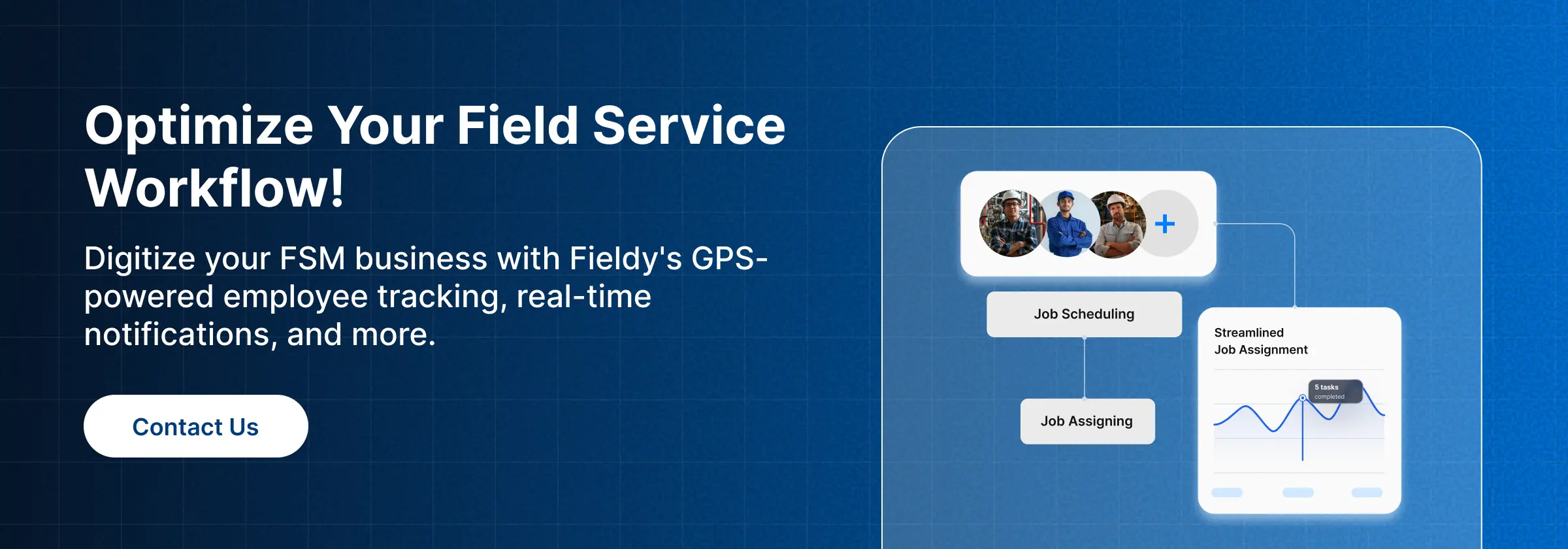
For businesses, Field Service Contract Management Software simplifies AMC tracking, renewals, and client communication ensuring no missed coverage windows.
🚨Emergency Repairs
Despite preventive care, emergencies happen, power surges, motor failures, or stuck doors. These situations can quickly escalate costs:
- Emergency technician labor: $200–$500 per hour
- Major part replacements: $2,000–$5,000
Hidden costs: inconvenience, safety risks, and disrupted home routines
🖥️Why Use Elevator Maintenance Software?
Technology is transforming field service operations. For elevator servicing, software ensures cost control, efficiency, and compliance.
⏰Preventive Maintenance Scheduling
Automated scheduling tools send reminders for inspections and service visits, ensuring nothing slips through the cracks. According to Deloitte’s Facility Management Report 2024, companies using digital scheduling saw 40% fewer unplanned breakdowns.
A structured field service checklist for 2026 can further improve compliance and routine checks.
📑AMC & Renewal Tracking
For homeowners, missed AMC renewals mean lapses in coverage, which can result in hefty out-of-pocket repair bills. Maintenance software ensures AMC contracts are automatically tracked, renewed, and compared for best pricing. Many providers already integrate field service AMC management software for this reason.
🛰️Real-Time Technician Tracking
GPS-based technician tracking reduces downtime significantly. Customers know when help will arrive, and businesses optimize routes to save costs. Research shows that companies using technician tracking improve service response time by 25% on average.
Beyond time savings, accurate arrival estimates build customer trust, a key differentiator for service providers managing multiple sites. This is why many firms integrate features similar to employee productivity tracking in field service to improve accountability.
📦Inventory & Parts Management
Software tracks consumables, alerts managers when stocks run low, and ensures technicians carry the right spares for each visit. This eliminates costly repeat visits and reduces inventory holding costs.
✅Digital Safety Checklists
Elevator maintenance is heavily regulated. Non-compliance can result in penalties ranging from $500 to $5,000 per violation, depending on jurisdiction. Digital safety checklists standardize compliance, create instant reports, and minimize liability risks for both homeowners and service providers.
⭐Fieldy – The Best Elevator Maintenance Software for Cost Control
When it comes to elevator servicing, Fieldy has emerged as a leading choice for small and mid-size providers.
- Zero setup cost & no lock-in contracts
- Features covering AMC management, inventory tracking, real-time technician tracking, and job cards
- Designed for businesses that want efficiency without steep upfront investment
Companies adopting Fieldy have reported:
- 30% – 40% reduction in emergency repair calls
- Improved AMC renewal rates by 25%
- Significant customer retention due to faster service
Comparisons of Fieldy vs ServiceTitan and Fieldy vs IFS Field Service Management Software show why many providers see Fieldy as the more flexible, cost-effective solution.
🔚Conclusion
So, how much does it cost to maintain a home elevator? Routine servicing usually ranges from $200–$600 per year, but emergency repairs can cost thousands. The total depends on elevator type, usage, system age, and whether maintenance is preventive or reactive.
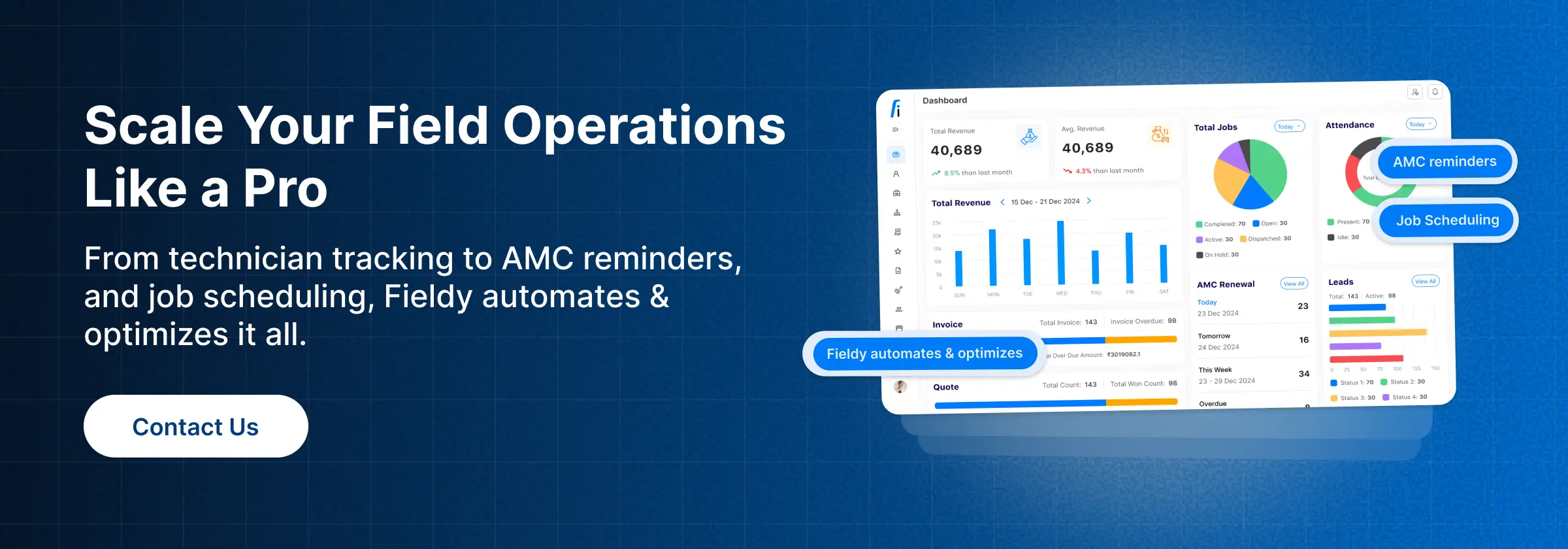
With elevator maintenance software, homeowners and service providers gain predictable, safer upkeep instead of surprise expenses. Tools like Fieldy streamline preventive scheduling, AMC tracking, real-time technician monitoring, and digital checklists, cutting costs and reducing downtime.
Looking to reduce elevator maintenance costs? Get started with Fieldy’s Elevator Maintenance Software today.
![Top 5 Best Elevator Management Software in FSM Business [Updated for 2026]](https://blog-admin.getfieldy.com/wp-content/uploads/2025/09/Best-Elevator-Management-Software.webp)