❄️ How Long Do HVAC Systems Last? Average HVAC Lifespan, Replacement Signs & Cost of Replacing HVAC in 2026

❓ Introduction

Heating, ventilation, and air conditioning systems are key mechanical parts in any building. The thing is, many homeowners and property managers wonder “How long do HVAC systems last?” before needing repairs or a full change. Knowing how long HVAC units last helps with planning repairs, cutting energy bills, and preventing unexpected breakdowns.

Most modern systems are designed to last for years. How long they actually last depends on how often they’re maintained, what kind of system it is, how well it was installed, and the weather in the area. This guide covers HVAC lifespan, when a new unit should be considered, and the cost of replacing HVAC equipment in 2026.

Heating, ventilation, and air conditioning systems are among the most important mechanical systems in any building. Homeowners and property managers often ask, “How long do HVAC systems last?” before they need repairs or a full replacement?” Understanding HVAC lifespan helps people budget for maintenance, reduce energy costs, and avoid sudden system failures.

Modern HVAC systems are built to last many years, but their longevity depends heavily on maintenance habits, system type, installation quality, and climate conditions. In this expert guide, we’ll explore HVAC lifespan, typical replacement timelines, signs that it’s time for a new system, and the cost of replacing HVAC equipment in 2026.

🧠 Understanding HVAC Systems and Their Role

So typically, we get to know, “What is HVAC?” & what does it stand for? HVAC stands for heating, ventilation, and air conditioning. It covers the systems that control indoor temperature and airflow. These systems usually include air conditioners, furnaces, air handlers, ducts, thermostats, and ventilation parts.

Technicians in modern HVAC companies use HVAC field service management software to handle installation and repair tasks. The software lets businesses log service records, track equipment setups, and organize maintenance plans. This helps them spot older units before they stop working properly.

Many contractors use full-fledged FSM software to plan visits, check how equipment is performing, and assign work to technicians. These digital tools simplify tracking how long HVAC units last in multiple buildings.

⏳ Average HVAC Lifespan

One​‍​‌‍​‍‌​‍​‌‍​‍‌ of the most frequently asked questions by homeowners is “how long do HVAC units last in a house. The answer revolves around the particular parts that make up the system.

Generally speaking, the average lifespan of hvac system falls between 15 and 20 years if the system is kept properly.

It is a common practice among many service companies to use a field service dispatch software through which technicians can keep records of service calls and system ages, leading to timely inspections and replacements of old systems even before they ​‍​‌‍​‍‌​‍​‌‍​‍‌fail.

⚙️ Average HVAC Lifespan by Component

❄️ HVAC Component ⏳ Average Lifespan
🏠 Central Air Conditioner 12–17 years
🔥 Furnace 15–20 years
♻️ Heat Pump 10–15 years
🌬️ Air Handler 10–15 years
🌡️ Thermostat 10+ years


📊 HVAC Life Expectancy and What Affects It

HVAC life expectancy varies based on climate, installation, how often it’s maintained, and how it’s used.    

🔍 Key Factors Affecting HVAC Lifespan

  • Climate conditions
  • System usage frequency
  • Installation quality
  • Maintenance frequency
  • Air filter replacement habits
  • Indoor air quality

For example, Units in very hot areas run cooling cycles more often in summer and may wear out faster and have a very short life expectancy of HVAC

Service providers use field service scheduling software to set up routine checks. This helps them deliver regular inspections and prevent problems.  

Companies’ schedule visits like an AMC play a huge role when experts wonder “how long does a HVAC system last”. Annual maintenance can add years to a hvac system’s useful life. Proper care means the system lasts much longer than one left unattended.

🔥 Furnace Lifespan and Heating Systems

Fifteen to twenty years – that is the lifespan of a furnace, shaped by upkeep plus what powers them. Heating gear tends to outlive air conditioning units.

A typical gas furnace outlives its electric counterpart, mainly because of how each produces heat. While one burns fuel to warm the air, the other relies on electrical resistance – leading to different wear patterns over time.

The average life of a furnace and air conditioner is closely tied to how well the air handler, furnace, and AC operate, since it moves warm or chilly air around the house.

🔥 Furnace Lifespan Estimates

🔥 Furnace Type ⏳ Average Lifespan
⛽ Gas Furnace 18–20 years
⚡ Electric Furnace 15–18 years
🛢️ Oil Furnace 15–20 years

CTA Banner 1

Homeowners often ask, “How long do house furnaces last?” because heating systems are one of the most expensive components of an HVAC system.

Furnace troubles that keep coming back might start with home heater repairs, yet over time, swapping out the whole unit often saves more money.

🌬️ Air Handler Lifespan

Air gets moved around by the air handler inside heating and cooling setups. When strange sounds start up, or airflow feels off, people often wonder just “how long does an air handler last” before trouble shows.

A 10-15-year span is typical for most air handlers, yet routine care might stretch that span. Life expectancy often lands in that range unless upkeep slips through the cracks.

Air handlers break now and then. Then people around start wondering, “How much does an air handler cost?” Most times, Replacement costs generally range between $1,500 and $3,500. Bigger systems? Tougher installs? That pushes the number up. Size matters. So does where it goes and how it gets there.

Technicians also emphasize maintenance tasks and ask questions such as “how often to change HVAC filter, since clogged filters place additional strain on air handlers and shorten their lifespan.

⚠️ Signs Your HVAC System Needs Replacement

A machine might still run fine, yet time wears down every part. Spotting small changes first could stop a full breakdown later.

  • Frequent breakdowns
  • Rising energy bills
  • Uneven heating or cooling
  • Strange noises from the system
  • Refrigerant leaks
  • System age exceeding 15 years

Should problems keep showing up, a technician might suggest HVAC unit replacement rather than fixing it again.

Aging systems lose strength over time, no matter how well you care for them. Cleaning HVAC coils might help cool things down for a while, yet it won’t bring old parts back to life. Small fixes offer brief relief, though the machine keeps wearing out beneath the surface. Time takes its toll, regardless of upkeep.

💰 Cost of Replacing HVAC Systems in 2026

The​‍​‌‍​‍‌​‍​‌‍​‍‌ cost of replacing HVAC systems has gone up a bit lately in some ways because of inflation, workers’ wages, and new laws on energy efficiency.

💰 Average HVAC Replacement Costs

❄️ HVAC System Type 💰 Average Cost (2026)
🏠 Central Air Conditioner $5,000 – $9,000
🔥 Furnace Replacement $4,000 – $8,000
♻️ Heat Pump System $6,000 – $10,000
🧰 Full HVAC System $9,000 – $15,000


Those who are figuring out how much to replace hvac system often get a shock at the prices. But on the other hand, new HVAC units are much more energy efficient than the ones from the past.

Besides that, workers explain to their clients about the HVAC service cost versus buying a new one, so that they can understand when it is more reasonable to get a new ​‍​‌‍​‍‌​‍​‌‍​‍‌system.

💳 Financing HVAC Replacements

Since HVAC systems cost a lot of money, many homeowners look into financing.

Customers often ask, “Can you finance a new HVAC system?of HVAC providers. The answer is usually yes. Many HVAC providers offer installment plans or partner with lenders.

Homeowners check “how to buy a new HVAC system?, focusing on the right size, efficiency rating, and who installs it.

If the wrong choices are made, the system will not work well and will be expensive over time.

🛠️ Maintenance Strategies to Extend HVAC Lifespan

Proper maintenance can extend the life expectancy of hvac system by several years.

🛠️ Recommended Maintenance Tasks

  • Replace air filters regularly
  • Clean condenser and evaporator coils
  • Inspect refrigerant levels
  • Check electrical components
  • Lubricate moving parts
  • Inspect ductwork for leaks

Technicians usually suggest annual professional checks along with simple home care tasks.

Some companies use AMC management systems to monitor service schedules and send customers alerts for routine visits. (AMC helps prevent breakdowns before they occur.) Regular inspections reduce the risk of unexpected failures.

👨‍🔧 The HVAC Workforce Behind System Maintenance

The​‍​‌‍​‍‌​‍​‌‍​‍‌ lifespan of HVAC systems can be greatly influenced by the skill level of experienced technicians.

Many individuals start their professional lives by signing up for a training course; in fact, aspiring students can’t help but wonder “how long is HVAC school before they are actually present in the industry.

Once trained, some technicians decide to get officially recognized for their skills. Most newcomers to the trade can’t wait to find out “how long does it take to get HVAC certified,” since certification requirements are different for each specialization.

It is actually the case that the HVAC workforce is expanding very quickly. Individuals considering a skilled trade are apt to wonder, “Is HVAC a good career?, especially because demand for technicians is on the rise.

Another piece of the puzzle is how much one can earn. People entering the labor market are often keen to find out how much do hvac techs make, and they also look for the HVAC average salary in various parts of the country.

The international markets are experiencing the same tendencies. Take, for instance, the HVAC technician salary in Australia, which is indicative of the growing need for highly trained technicians in the global HVAC sector.

Service companies are greatly dependent on experienced technicians and other operational staff. Besides, many businesses have schedulers or dispatchers who handle technician assignments and operations. “What is an HVAC dispatcher? is one of the frequently asked questions because dispatchers are the ones who keep technicians organized and make sure that the customers’ requests are met ​‍​‌‍​‍‌​‍​‌‍​‍‌properly.

🔄 When Replacement Is Better Than Repairs

Homeowners often wonder if they should repair or replace their HVAC system.

Experts usually suggest replacing it when:

  • The system is older than 15 years
  • Repairs exceed 50% of replacement cost
  • Energy bills continue rising
  • The system requires frequent repairs

A newer system can cut long-term energy costs due to better efficiency.

✅ Final Thoughts

Knowing​‍​‌‍​‍‌​‍​‌‍​‍‌ how long do hvac systems last is quite useful for homeowners as it enables them to plan maintenance, budget, and even decide about replacements in the future. Most HVAC systems will generally serve you well for 15 to 20 years; however, with proper maintenance, one can definitely get even more years out of their system.

Frequent system evaluation, changing filters, and fixing breakdowns not only keep the equipment running but also reduce major expenses. Despite this, when the time comes and the equipment reaches the limit of its normal life span, HVAC unit replacement will most likely be the most economically wise decision.

Learning about possible symptoms of failure and talking to qualified HVAC technicians will help homeowners keep their heating and cooling systems actively providing a comfortable environment for many ​‍​‌‍​‍‌​‍​‌‍​‍‌years.

CTA Banner 2

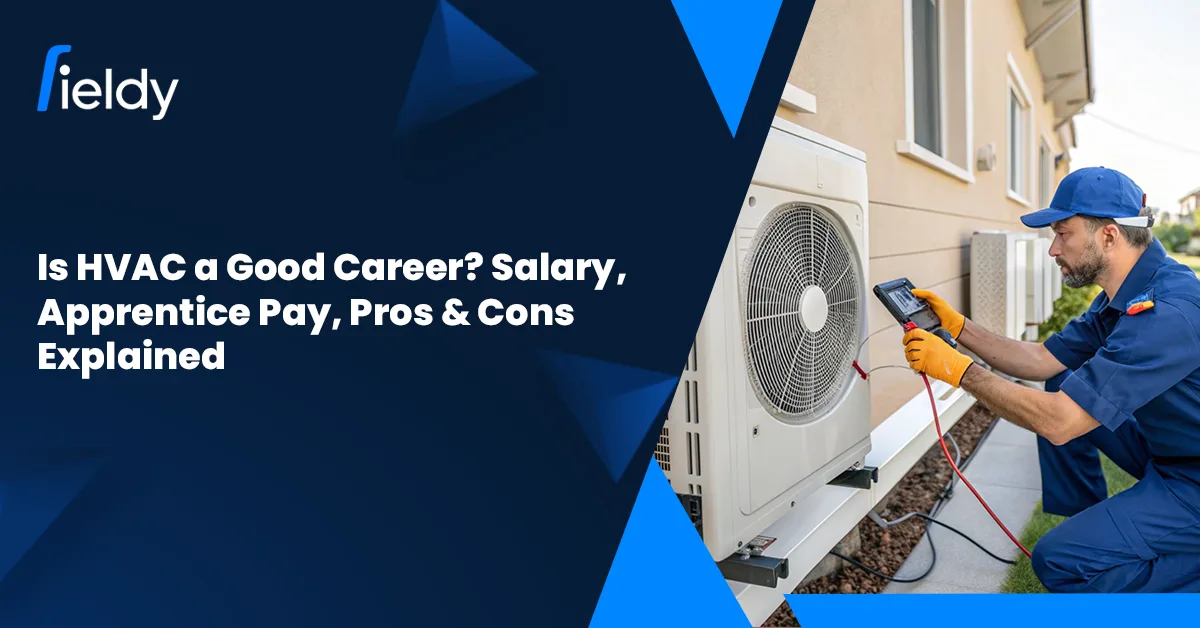
💼 Is HVAC a Good Career in 2026? Salary, Apprentice Pay, Pros & Cons Explained

❓ Introduction

Choosing​‍​‌‍​‍‌​‍​‌‍​‍‌ the right career path is one of the decisions that can significantly impact a person’s life. Among those who are inclined towards skilled trades, HVAC is often a top pick on career lists. So, it is a common question from both students and people looking to change careers: “Is HVAC a good career in 2026?”

The HVAC industry—an abbreviation for heating, ventilation, and air conditioning—is a significant contributor to the modern way of life. Every dwelling, workplace, hospital, and store relies on the climate control systems to ensure comfort and good air quality. With the continuing expansion of the construction industry and the increasing focus on energy efficiency, the need for qualified technicians remains high.

For someone considering an HVAC career, this job offers a great mix: hands-on work, constant demand, and the opportunity to climb the ladder or even start one’s own business. Research into the job market shows that the employment of HVAC technicians is likely to increase at a steady pace during the next ten years because of new infrastructure projects and old HVAC systems that need to be replaced.

It is always good to know what you are getting into before you make a decision. Therefore, it is best if you take some time to learn more about the job duties, salaries, and prospects before you even consider the HVAC industry as your ​‍​‌‍​‍‌​‍​‌‍​‍‌profession.

🔧 Understanding the HVAC Profession

If you are wondering​‍​‌‍​‍‌​‍ “Is HVAC a good career?”, it would be good to understand the kind of work a technician does daily. HVAC technicians are the ones who do the installation, maintenance, and repair of the heating and cooling systems in homes, offices, and factories. Initially, many beginners ask, what does the term HVAC mean?

If you are wondering “what is HVAC?”, then HVAC is an abbreviation that stands for heating, ventilation, and air conditioning, which are the indoor atmosphere controlling systems. These systems consist of air conditioners, furnaces, ventilation ducts, and refrigerators. Understanding mechanical systems, electrical components, and airflow dynamics are some of the areas technicians need to be skilled in. Besides, they need to be capable of problem-solving and giving expert advice on suitable solutions to homeowners and businesses.

The HVAC field also incorporates up-to-date technology for service operation management. Several companies continually depend on digital tools like HVAC field service management software to efficiently schedule technicians, monitor service calls, and handle customer information. 

Those software solutions are usually pieces of overall FSM software that include scheduling, dispatching, invoicing, and technician tracking, all integrated into one ​‍​‌‍​‍‌​‍​‌‍​‍‌platform.

💰 HVAC Salary in 2026

One​‍​‌‍​‍‌​‍​‌‍​‍‌ of the biggest deciding factors in whether or not HVAC is a worthwhile career will always be income potential.

The average salary of a HVAC technician depends on variables such as one’s experience, location, and area of specialization. Freshly trained workers usually get between $40,000 and $50,000 a year, while those with a lot of exposure can easily make $70,000 or more per annum.

Another similar occupation in the sector is refrigeration technician work. The refrigeration technician salary is usually higher as these specialists are responsible for the operation of very advanced cooling systems that are found in supermarkets, industrial plants, and food storage facilities.

One more element affecting the AC service technician’s salary is the skill level and the number of certifications. Those who perform work primarily on commercial HVAC systems or installations that are energy-efficient are among the highest ​‍​‌‍​‍‌​‍​‌‍​‍‌earners.

🧑‍🔧 HVAC Apprentice Pay

Many​‍​‌‍​‍‌​‍​‌‍​‍‌ technicians step into their careers as apprentices. Apprentices learn the trade while working under seasoned professionals.

Generally, HVAC apprentice pay is lower than what a full-time HVAC technician makes. However, the pay increases as apprentices get more knowledgeable and experienced. In most places, apprentices make from $15 and $25 per hour, depending on their level of training and the employer.

Apprenticeships are wonderfully beneficial as they not only give you real experience but also enable you to continue earning money while you are learning.

Before embarking on an apprenticeship, many students look up “how long is HVAC school? to get an idea about the amount of education needed prior to starting ​‍​‌‍​‍‌​‍​‌‍​‍‌work.

⏳ How Long Does It Take to Become an HVAC Technician?

The​‍​‌‍​‍‌​‍​‌‍​‍‌ time it takes to enter the HVAC field really depends on the type of education one chooses.

Several students finish vocational school and only then start working. Certain educational courses may even take 6 months, while others can extend up to two years.

Those who are getting certified most likely will find out “how long does it take to get HVAC certified?, as there are different licenses required to work with refrigerants or carry out certain repairs.

When you look at it from the perspective of many traditional four-year college degrees, HVAC education is a way for people to start making money quite ​‍​‌‍​‍‌​‍​‌‍​‍‌soon.

📈 Career Growth in the HVAC Industry

Among​‍​‌‍​‍‌​‍​‌‍​‍‌ the reasons why a lot of people see HVAC as a career choice is the long-term growth potential of this field. Technicians have the chance to specialize in refrigeration, energy efficiency systems, or commercial HVAC installations.

As they become more skilled, technicians may step into supervisory roles or even become management cadres.

The profession of an HVAC dispatcher is another career option within HVAC companies. Many people ask, “What is an HVAC dispatcher? and the answer is that it is a person who schedules technicians, assigns their service calls, and plans their routes.

By making sure that technicians are directed to appropriate jobs within the company’s service area, dispatchers are also helping businesses to run ​‍​‌‍​‍‌​‍​‌‍​‍‌efficiently.

🏢 Starting Your Own HVAC Business

Many​‍​‌‍​‍‌​‍​‌‍​‍‌ seasoned HVAC techs also become business owners. It is indeed a lucrative idea to start an HVAC service business in areas where weather extremes make heating and cooling systems necessary. 

Owners/coordinators oversee technicians, customer scheduling, the buying of equipment, and service delivery.

Besides HVAC services, startup entrepreneurs in the service sector sometimes look into other service-type businesses as well. For instance, everyone gets information on how to start a cleaning agency so that they can better understand service-based business structures before opening their own HVAC company. 

Some startups go as far as digital service platforms or a TaskRabbit alternative to reach out to local technicians and ​‍​‌‍​‍‌​‍​‌‍​‍‌customers.

👍 Pros of an HVAC Career

When​‍​‌‍​‍‌​‍​‌‍​‍‌ weighing the pros of HVAC career, several factors support the attractiveness of the profession.

One key advantage is that it’s stable work. Since HVAC systems need regular check-ups and fixing, the technicians’ services will always be in demand.

What is more, earning capability really is one of the main reasons why people who aren’t familiar with the field still keep asking “does HVAC make good money?” Of course, the answer is typically yes, and the best part is that those who have expertise in highly technical systems or have established their own companies stand to benefit the most.

The benefits of being an HVAC technician extend far beyond the main ones, such as flexible career transition, chances of starting one’s own venture, and exposure to different sectors like residential buildings, commercial properties, and factories. 

This, in turn, is also a great way for one to upskill that comes in handy when working in related ​‍​‌‍​‍‌​‍​‌‍​‍‌trades.

⚖️ HVAC Pros and Cons

Like​‍​‌‍​‍‌​‍​‌‍​‍‌ every other profession, the HVAC industry comes with its own advantages and disadvantages. Knowing the HVAC pros and cons will help newcomers decide whether the profession fits their interests and way of life.

⚙️ Feature 🧰 Fieldy (Most Preferred) 📦 Zoho Inventory 🏭 Cin7 📋 inFlow 🧩 Odoo
📦 Inventory Tracking ✅ Yes ✅ Yes ✅ Yes ✅ Yes ✅ Yes
👨‍🔧 Field Service Integration ✅ Yes ❌ No ⚠️ Limited ❌ No ⚠️ Limited
🧾 Billing & Invoicing ✅ Yes ✅ Yes ✅ Yes ⚠️ Limited ✅ Yes
📅 Technician Scheduling ✅ Yes ❌ No ❌ No ❌ No ⚠️ Limited
🏭 Warehouse Management 🚀 Advanced ⚠️ Moderate ⚠️ Moderate ⚠️ Moderate ⚠️ Moderate
📊 Reporting & Analytics 🚀 Advanced ⚠️ Moderate ⚠️ Moderate ⚠️ Moderate ⚠️ Moderate


Besides, some wonder, “Is HVAC physically demanding?” Well, in most cases, it is so because technicians usually carry heavy machines, get onto ladders, and work in small places like attics or crawl spaces.

On the other hand, some of the workers appreciate the physical side of their job, as they are more active than when doing office ​‍​‌‍​‍‌​‍​‌‍​‍‌work.

🛠️ Skills HVAC Technicians Must Learn

HVAC​‍​‌‍​‍‌​‍​‌‍​‍‌ technicians with the right skillset and a broad perspective on the job are the ones who usually succeed. And the skill set required is quite diverse.

Apart from the electrical troubleshooting and mechanical repair skills, technicians must be adept at airflow analysis and refrigerant handling.

Regularly guiding customers on the subject “how often to change HVAC filter for a good system efficiency and an indoor quality of air is probably the primary way an HVAC technician will be communicating with homeowners.

Besides the filter change, another common maintenance procedure will include “how to clean HVAC coils,” as this will help in restoring the cooling performance.

What is more, technicians will educate the system users on the maintenance of the system, the energy efficiency, and the possibilities for the replacement of the equipment. ​‍​‌‍​‍‌​‍​‌‍​‍‌

🗣️ Customer Education and Equipment Sales

Another​‍​‌‍​‍‌​‍​‌‍​‍‌ part of HVAC work can be talking to customers about upgrading their systems. For instance, it’s a pretty common situation when homeowners want to know how to buy a new HVAC system after their old one breaks down or stops doing the job efficiently.

Besides, a lot of customers ask, “Can you finance a new HVAC system? because heating and cooling equipment isn’t cheap and can run into a few thousand dollars. 

While on the job, technicians often end up describing the pros and cons of different systems, how to finance them, and when the installation could be ​‍​‌‍​‍‌​‍​‌‍​‍‌done.

🔄 Comparing HVAC With Other Skilled Trades

HVAC​‍​‌‍​‍‌​‍​‌‍​‍‌ is only one of the many career choices in the skilled trades sector. People who are thinking about HVAC sometimes compare it with other technical jobs.

Some look into electrical work and check out “how to get electrician license before deciding which field to pursue.

Others consider plumbing as a career and look for certifying plumber programs to see which is the best way to break into the trades.

There are other trades, like landscaping, which may also be linked with HVAC work in certain projects. When contractors are installing outdoor units, they may be in contact with teams that handle landscaping supplies during property construction or renovation.

In cold regions, HVAC contractors may sometimes be involved with service companies that prepare snow removal cost estimates as part of their efforts to keep outdoor equipment accessible during the winter ​‍​‌‍​‍‌​‍​‌‍​‍‌months.

💵 Income Comparisons With Other Service Jobs

People​‍​‌‍​‍‌​‍​‌‍​‍‌ exploring HVAC careers sometimes make comparisons of salaries among various service industries.

On the other hand, some job hunters check “how much do window cleaners make to get an idea of the income levels of other service-oriented professions.

Many service sector positions can offer consistent earnings; however, HVAC is typically associated with a greater capacity to earn, as technicians have specialized technical skills.

The need for HVAC skills usually rises during times of extreme weather when the heating or air conditioning systems break ​‍​‌‍​‍‌​‍​‌‍​‍‌down.

📊 HVAC Job Market Outlook

The​‍​‌‍​‍‌​‍​‌‍​‍‌ career prospects for HVAC technicians are bright worldwide. As buildings are being designed to be more energy-efficient and HVAC systems are becoming more sophisticated, the demand for top-notch technicians keeps on increasing.

Not only are a lot of old HVAC systems getting phased out, but advanced HVAC technologies also necessitate highly specialized skills for installing and servicing them.

This blend of modern technology and the need to upgrade old infrastructures guarantees that there will be a steady demand for experienced HVAC professionals in the ​‍​‌‍​‍‌​‍​‌‍​‍‌future.

✅ Final Thoughts

So, is HVAC a good career choice in 2026? For many, the answer is yes. The HVAC field provides strong job security, attractive earnings, and pathways for career advancement. From apprenticeships to starting your own business, there are various career options within the industry. Although the work can be physically demanding and requires technical training, the benefits often surpass the challenges. Technicians develop valuable skills, enjoy stable employment, and have the chance to build successful careers in a growing sector. For those who like hands-on work, problem-solving, and helping customers maintain comfortable indoor spaces, HVAC remains one of the most promising skilled trades today.

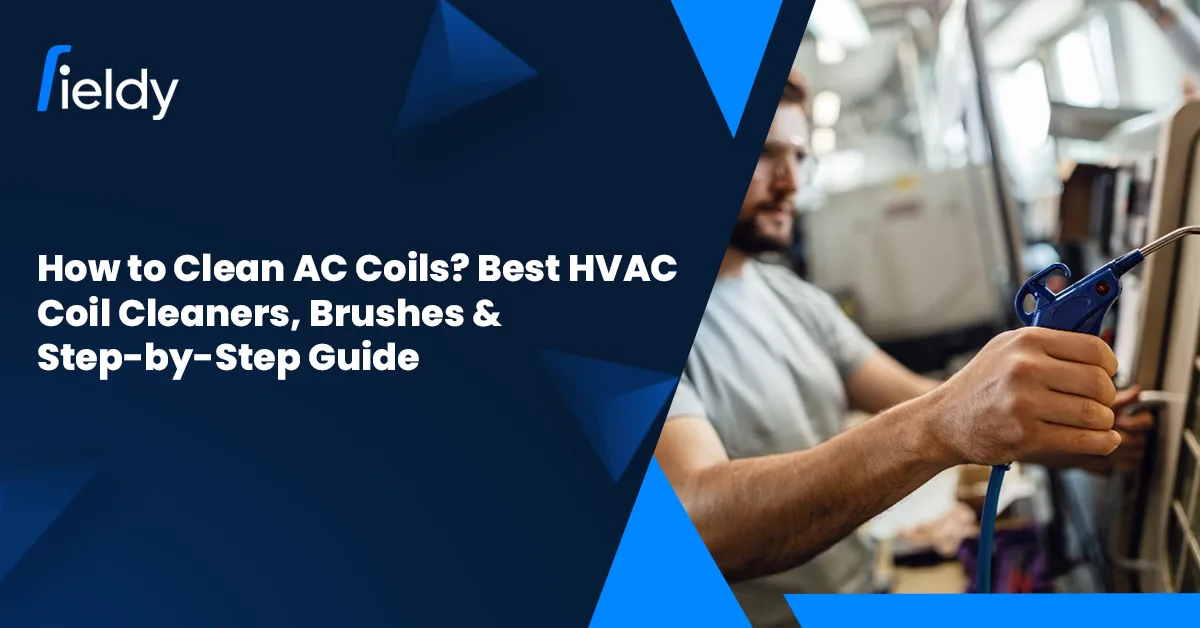
🧊 How to Clean AC Coils Like a Pro: Best HVAC Coil Cleaners, Brushes & Step-by-Step Guide

❄️Introduction

Air​‍​‌‍​‍‌​‍​‌‍​‍‌ conditioners are truly the heroes on the hottest days, constantly working to make our homes the perfect temperature. Yet, just like any other machine, if you don’t take care of your air conditioner, it won’t work at its best. One of the top maintenance efforts is learning “how to clean HVAC coils” because the coil’s cleanliness hugely impacts the cooling efficiency and the system’s energy consumption.

Heat exchange in HVAC systems is primarily done through coils. The buildup of dirt, dust, or debris on these coils hinders the system from efficiently transferring heat. Studies on energy efficiencies indicate that dirty coils can cause energy consumption to go up by 30% or more, leading to higher utility bills and greater wear and tear on HVAC machinery.

Some people only start looking for “how to clean AC coils” after their air conditioners have stopped cooling adequately or have been running for long durations of time. Combining coil cleaning with the proper maintenance of the unit can lead to fewer breakdowns and a longer operating lifetime for the air ​‍​‌‍​‍‌​‍​‌‍​‍‌conditioner.

Professional​‍​‌‍​‍‌​‍​‌‍​‍‌ technicians often use special chemicals, such as HVAC coil cleaner solutions that can remove grease, dirt, and biological buildup without harming the delicate aluminum fins. These cleaners are meant to bring the airflow and heat exchange back to normal.

Technicians also commonly use air conditioner condenser cleaner, a product made especially for outdoor condenser coils that are exposed to dust, pollen leaves, and other environmental contaminants.

This thorough guide shows the right way to clean HVAC coils, what tools and cleaners are best, and how to do maintenance safely at ​‍​‌‍​‍‌​‍​‌‍​‍‌home.

🧊 Why AC Coil Cleaning Is Important

An air​‍​‌‍​‍‌​‍​‌‍​‍‌ conditioning system has two main coils: the evaporator coil and the condenser coil. The evaporator coil picks up the heat from the air inside the building. The condenser coil releases that heat outside to the atmosphere. Coil surfaces can get covered with dust, pet hair, pollen, and mold.

As coils grow dirty, less air can flow through them, and their heating/cooling capability drops. Therefore, fans trying to blow air through the obstructed coils need to run longer and harder to reach a desired room temperature, resulting in higher electric bills and shorter system lifespan.

For owners of homes, the question of how to clean air conditioner coils often opens the door to the realization that coil upkeep is a great way to enhance the cooling performance. In fact, cleaning the coils most often restores the lost performance without the need for expensive repairs. 

Besides, technicians recommend using air conditioner foaming coil cleaner to get into the tiniest spaces and loosen the dirt deposits on the delicate coil fins without hurting ​‍​‌‍​‍‌​‍​‌‍​‍‌them.

🧰 Understanding the Basics of AC Cleaning

For​‍​‌‍​‍‌​‍​‌‍​‍‌ those first learning “how to clean an AC unit,” having a good grasp of the basic components is essential. Generally, a typical air conditioning unit will have indoor evaporator coils, outdoor condenser coils, air filters, and fan motors.

In order to perform effective maintenance, it’s essential to not only clean the indoor but also the outdoor parts of the system. If you overlook one side, it means that the capacity of the whole HVAC unit can be significantly compromised.

When it comes to people asking “how do you clean evaporator coils”, it can be said that the usual advice from professionals is to clean them gently since coils are quite delicate and it doesn’t take much for them to bend.

Also, knowing how to clean AC equipment safely means you should, first of all, switch off the power to the system before carrying out the maintenance. This keeps you safe and stops you from damaging the electrical components ​‍​‌‍​‍‌​‍​‌‍​‍‌inadvertently.

🌿 Cleaning the Outdoor AC Unit

Outdoor​‍​‌‍​‍‌​‍​‌‍​‍‌ condenser units are highly susceptible to dirt and debris. Leaves, grass trimmings, dust, and even insects can get stuck on the coil surface. 

People around looking up “how to clean outside ac unit” usually try to get rid of visible debris first. They trim plants and wash off the dirt to let the air flow properly again.

Plenty of experts rely on air conditioner coil cleaner spray products to break down the most difficult dirt on condenser coils. These sprays have the power to get deep between the aluminum fins where dust and grime are gathered. 

At the same time, if you are interested in “how to clean evaporator coil”, it is essential to understand that indoor coils are much more sensitive and have to be handled very carefully compared to the outdoor condensers. ​‍​‌‍​‍‌​‍​‌‍​‍‌

🏠 Cleaning Indoor AC Coils

Indoor​‍​‌‍​‍‌​‍​‌‍​‍‌ evaporator coils are tricky since they are usually positioned inside the air handler or furnace casing. Technicians typically describe “how to clean ac unit inside” by taking off the access panels to expose the coil.

After the coil is laid bare, the loosened dust can be easily picked up with soft brushes or special cleaners. Among those who inquire, a lot of people wonder how to clean AC coils inside without damaging the fins. The most secure method is using soft cleaning tools and HVAC-system-approved chemical cleaners.

In cases of persistent grime and grease, technicians generally suggest using ac coil cleaner foam products that not only break down the dirt but are also safe for the metal ​‍​‌‍​‍‌​‍​‌‍​‍‌parts.

🪛 Step-by-Step Guide to Cleaning AC Coils

Cleaning​‍​‌‍​‍‌​‍​‌‍​‍‌ HVAC coils thoroughly with a proper technique demands a lot of patience, as well as the right tools. Here is an uncomplicated guide that is actually the practice of numerous technicians.

🔢 Step 🛠️ Action
1️⃣ ⚡ Turn off the power to the AC unit
2️⃣ 🔧 Remove access panels
3️⃣ 🧹 Brush off loose dirt
4️⃣ 🧴 Apply coil cleaner
5️⃣ 🚿 Rinse coils gently
6️⃣ 🌬️ Allow coils to dry
7️⃣ 🔩 Reassemble the unit

CTA Banner 1

This approach is quite suitable for typical home air conditioning units and, at the same time, it demystifies the process of washing condenser coils for the ​‍​‌‍​‍‌​‍​‌‍​‍‌homeowners.

🧊 Refrigerator Coil Cleaning

Air​‍​‌‍​‍‌​‍​‌‍​‍‌ conditioners are not only appliances that need coil maintenance. Refrigerators, for example, also have condenser coils that must stay clean if they are to work efficiently. 

When a person looks for advice on “how to clean a refrigerator condenser coil”, they usually find out that the performance of cooling can be compromised because of dust collecting behind or under the fridge.

A lot of the time, technicians advise using a refrigerator coil brush since that tool is capable of getting through the small, cramped spaces where coils meet, which is also where dust is most likely to be found. 

Besides, you will want to get a coil cleaning brush for the refrigerator unit too, as that one comes with a design that allows it to kill dust and fluffiness, while on the other hand, staying completely harmless to those super sensitive ​‍​‌‍​‍‌​‍​‌‍​‍‌tubes.

🧴 Types of AC Coil Cleaning Products

HVAC​‍​‌‍​‍‌​‍​‌‍​‍‌ professionals use a wide range of cleaning products dependent on the level of contamination and the location of the coil.

To carry out regular maintenance, technicians mostly choose to use spray to clean air conditioner coils that are products that can be rapidly applied and then simply rinsed off with water.

More potent agents like commercial AC coil cleaner, for example, are generally only used in commercial buildings where HVAC systems get covered up by smear, smoke, or industrial dust.

These commercial-grade cleaners are made to dismantle tough dirt while still safeguarding aluminum fins and copper ​‍​‌‍​‍‌​‍​‌‍​‍‌tubing.

🏡 Cleaning Central Air Conditioning Systems

Central​‍​‌‍​‍‌​‍​‌‍​‍‌ air conditioning systems do need a bit different maintenance procedures than window units or portable AC systems.

Homeowners who want to learn how to clean a central ac unit should pay attention to the maintenance of the indoor air handler and the outdoor condenser unit.

Regular air conditioner condenser cleaning is vital for keeping air moving and making sure the system can efficiently release heat.

While technicians talk about the best way to clean ac coils, most of the time they point out that it is better to use soft brushes and cleaning agents that are approved than to use high-pressure washing.

In the same way, the best way to clean air conditioner coils is to scrape off debris a little at a time rather than pushing water forcefully through the fins.

Knowing how to clean central AC unit systems properly can make a great difference in cooling performance and lower the cost of repairs in the long ​‍​‌‍​‍‌​‍​‌‍​‍‌run.

🛠️ Common Tools Used for AC Coil Cleaning

Professional HVAC technicians rely on several tools when performing coil maintenance.

🧰 Tool 🛠️ Purpose
🧹 Coil brush Removes dust and debris
🪮 Fin comb Straightens bent coil fins
🧴 Foaming coil cleaner Breaks down grease and dirt
🧽 Vacuum cleaner Removes loose debris
🚿 Coil spray cleaner Penetrates tight coil spaces


Using the correct tools ensures that coils are cleaned without damaging sensitive components.

⚠️ Signs Your AC Coils Need Cleaning

Lots​‍​‌‍​‍‌​‍​‌‍​‍‌ of people don’t even think about maintaining the coil of their air conditioning unit until it stops working.

Here are the typical symptoms that suggest that the coils are dirty:

  • Reduced cooling performance
  • Higher electricity bills
  • Longer cooling cycles
  • Ice forming on coils
  • Warm air from vents

When these signs are present, coil cleaning can be the solution to get the unit working properly again. ​‍​‌‍​‍‌​‍​‌‍​‍‌

⏱️ How Often Should AC Coils Be Cleaned?

Most​‍​‌‍​‍‌​‍​‌‍​‍‌ HVAC technicians suggest that coils be cleaned once a year, at a minimum. If you have animals, heavy dust, or pollen seasonally in your area, you might need to clean even more often. It’s a good idea to check air conditioning units outside the home every couple of months during summertime and clean the accumulated debris. Keeping up with the routine servicing not only helps you avoid costly breakdowns but also allows your air conditioning to work efficiently without ​‍​‌‍​‍‌​‍​‌‍​‍‌fluctuations.

👨‍🔧 Professional vs DIY Coil Cleaning

Many​‍​‌‍​‍‌​‍​‌‍​‍‌ homeowners are capable of doing some maintenance on their own, but there are times when you might need to bring in the professionals.  Special tools and gear are used by technicians to clean the coils thoroughly, and they also know how to reach the areas that are not easy to access in a typical HVAC system. Besides cleaning the coils, professional upkeep might also involve checking the refrigerant, measuring the airflow, and inspecting the electrical ​‍​‌‍​‍‌​‍​‌‍​‍‌components.

💡 Energy Savings from Clean AC Coils

Clean​‍​‌‍​‍‌​‍​‌‍​‍‌ coils contribute significantly to HVAC energy efficiency. It is effective when coils are not only clean but also free from dirt and debris, so the system can transfer heat more efficiently. Research indicates that regular cleaning can enhance coil cooling efficiency by 10-30%, depending on the amount of contamination. This enhanced efficiency means that the system will consume less energy, you will have a lower utility bill, and your equipment will last ​‍​‌‍​‍‌​‍​‌‍​‍‌longer.

✅ Final Thoughts

One​‍​‌‍​‍‌​‍​‌‍​‍‌ of the most effective ways to make your home comfortable and cut down the energy bills is learning how to service your air conditioning unit. Coil cleaning is a very simple and effective task of maintenance that can keep HVAC systems running very efficiently.

There are also ways on “how to clean HVAC coils” so that you can also do the other related maintenance steps. Averted from common cooling problems are the owners who understand this, and besides, their equipment lasts longer.

Regular coil maintenance can make sure that your air conditioner provides great cooling performance over the years, whether you decide to clean coils mechanically, apply specialized cleaner, call a professional, or combine all ​‍​‌‍​‍‌​‍​‌‍​‍‌3.

Many​‍​‌‍​‍‌​‍​‌‍​‍‌ HVAC companies rely on FSM software to arrange their maintenance activities, such as cleaning coils, inspections, and repairs. It assists in scheduling the jobs, keeping track of the service history, managing the technician’s work, and generating work orders, which altogether increase the efficiency in the completion of HVAC maintenance tasks, along with providing better customer service.

On the other hand, HVAC field service management software is a tool made specifically for professionals in the heating and cooling industry. It provides help in technician dispatching, job tracking, call reminders for maintenance, and management of store rooms for tools and parts. By using these systems, HVAC businesses can respond to service calls more quickly and ensure that HVAC systems are operating ​‍​‌‍​‍‌​‍​‌‍​‍‌efficiently.

CTA Banner 2

❄️How Long Is HVAC School? Complete Guide to HVAC Technician Training, Online Courses & Apprenticeships

🚀 Introduction

Heating, ​‍​‌‍​‍‌​‍​‌‍​‍‌ ventilation, and air conditioning (HVAC) is currently one of the fastest-growing skilled trades worldwide. Since people are extensively relying on climate control systems in their homes, offices, and commercial buildings, the need for qualified HVAC technicians keeps increasing. Many individuals considering this career route ask a very simple question: how long is HVAC school?

The response varies with the kind of training program, the school you choose, and whether you decide to get certifications or work as an apprentice. Some students finish their training in less than a year, whereas others spend two years or more to acquire profound technical knowledge. What remains unchanged is that HVAC technician training leads to excellent career opportunities, well-paying jobs, and job security.

Based on workforce data from the United States, employment for HVAC technicians is projected to increase around 6–8% over the next decade, which is more than the average for many occupations. With the expansion of construction activities and the increasing demand for energy-efficient systems, trained technicians are turning out to be vital in both the residential and commercial ​‍​‌‍​‍‌​‍​‌‍​‍‌sectors.

It​‍​‌‍​‍‌​‍​‌‍​‍‌ would be useful to really grasp what HVAC work means before signing up for a course. For those asking, “What is HVAC“, the industry primarily deals with setting up, fixing, and caring for heating, ventilation, and air conditioning units, which control indoor temperature, air quality, and humidity.

This guide tells you how many hours HVAC training will be, what different programs exist, the functioning of apprenticeships, and what kind of experience students will get in the ​‍​‌‍​‍‌​‍​‌‍​‍‌industry.

🎓 Understanding HVAC Technician Training

The​‍​‌‍​‍‌​‍​‌‍​‍‌ journey to becoming a professional technician usually starts with an HVAC training program at a technical school, trade institute, or community college. Such programs integrate theoretical lessons with hands-on laboratory work, enabling students to get the hang of installing and repairing HVAC systems.

While pursuing HVAC technician training, students extensively study refrigeration cycles, electrical elements, system diagnostics, airflow regulation, and safety guidelines. Most courses will additionally focus on methods for resolving problems in repair scenarios.

Besides, some courses also highlight the digital tools that technicians utilize nowadays in the HVAC industry, like HVAC field service management software. This type of software assists technicians with managing service requests, tracking work orders, and communicating with dispatchers when working out in the field.

It is worth noting that presently most of the HVAC companies, beyond just using digital scheduling tools, are part of a larger FSM software ecosystem. Such technology gives businesses the ability to efficiently manage technician deployment, service call scheduling, and inventory handling, which explains the growing trend among students training for an HVAC career to receive at least preliminary knowledge of these tools during their ​‍​‌‍​‍‌​‍​‌‍​‍‌coursework.

⏳ How Long Is HVAC School?

Generally, ​‍​‌‍​‍‌​‍​‌‍​‍most students ask, “How long is HVAC school”, which usually depends on the type of educational path they opt for. Training programs can vary from brief certification courses of only a few months to thorough two-year associate degree programs.

We have outlined below the usual training timeframes.

💻 Software 🎯 Best For ⭐ Key Strengths ⚠️ Limitations
🧰 Fieldy (Most Recommended) 📈 Growing plumbing businesses 🤖 All-in-one FSM platform with automation 🆕 Relatively new to market
📅 FieldPulse 👨‍🔧 Mid-size service teams 🚀 Strong scheduling and dispatch tools 💳 Premium features cost more
🏢 ServiceTitan 🏭 Large plumbing enterprises 📊 Advanced reporting and analytics 💰 Expensive
🏠 Housecall Pro 👨‍🔧 Small plumbing businesses ⚡ Easy scheduling and invoicing 📉 Limited enterprise features
📋 Jobber 👨‍🔧 Small service teams 🧾 Simple job management 🤖 Limited automation

CTA Banner 1

These programs enable students to decide how long HVAC classes are and which training level they should opt for based on their career ambitions.

Speaking of “how long is a HVAC program,” certificate programs usually come first as the fastest way to get into the field. They offer the basic skills required for entry-level technician work.

On the other hand, associate degree programs teach students more about system design, energy efficiency, and diagnostics at a deeper ​‍​‌‍​‍‌​‍​‌‍​‍‌level.

⚖️ Trade School vs Apprenticeship

Students​‍​‌‍​‍‌​‍​‌‍​‍‌ frequently ask if it is better to go to a trade school for HVAC or if they should only get an apprenticeship. Both ways can help a student in learning a trade, but they are very different in their structure and how long they take.

Trade school has a very clear, concise classroom-based learning/teaching style combined with lab practice. Students are made to understand the theory first before exposure to the workforce.

On the other hand, an apprenticeship HVAC program is the way students can make money while they are learning the trade in the company of highly experienced professionals.

Some students are even combining both paths. First, they do the HVAC tech apprenticeship after finishing the technical training program. This allows them to get hands-on experience and is very often the first step to securing a full-time ​‍​‌‍​‍‌​‍​‌‍​‍‌job.

💻 HVAC Online Courses and Remote Learning

Recently, ​‍​‌‍​‍‌​‍​‌‍​‍‌ online learning has become less unusual as a form of technical training. Besides the traditional one, a lot of institutions offer classes through HVAC online course programs, which give students a chance to study theory remotely before they accomplish the hands-on training physically in their locality.

These online programs are especially a great idea for those who are already employed full-time but intend to change their occupation.

In the same fashion, HVAC technician online classes frequently comprise video lessons, digital simulations, and virtual labs that expose students to HVAC systems even before they carry out real-world repairs.

Even though online programs provide the students with a lot of convenience, they cannot substitute in-person training, which is essential in acquiring the necessary practical skills. HVAC work demands physical installation, electrical troubleshooting, and mechanical repairs, which cannot be comprehended fully through online ​‍​‌‍​‍‌​‍​‌‍​‍‌means.

💰 HVAC Course Costs and Tuition

Another​‍​‌‍​‍‌​‍​‌‍​‍‌ popular query raised by students is the HVAC course cost. The fee depends largely on the chosen institution, type of program, and the geographic location of the school.

Here is a rough cost estimation.

🎓 Program Type 💰 Average Cost
📜 Certificate program $1,500 – $7,500
🎓 Diploma program $5,000 – $15,000
🏫 Associate degree $15,000 – $35,000
🔧 Apprenticeship 💵 Often paid training


A lot of students find apprenticeships appealing because they can make money while studying. Notwithstanding, trade school courses may offer a more rapid way to get ​‍​‌‍​‍‌​‍​‌‍​‍‌work.

👨‍🔧 How Long Does It Take to Become an HVAC Tech?

One​‍​‌‍​‍‌​‍​‌‍​‍‌ of the top searched questions in the HVAC industry is “how long does it take to become an HVAC tech?” Typically, most students can get started with entry-level jobs in 6 to 12 months of training.

But becoming a fully qualified professional takes a lot more time. Usually, technical staff have been learning new things for years on the job.

Schoolers are even more curious about the “how long is schooling for HVAC” as they want to learn when they can start making money. Short certification courses give students the chance for quick employment; however, higher-level training comes with better pay.

Furthermore, students planning to enter the HVAC field want to get an idea of “how long is HVAC certification” before they can get certified, since HVAC certification is considered as short term courses by many. Certification exams can usually be done soon after the training session, depending on the licensing requirements of your area.

Some workforce development resources tackle this question with an answer: how long does it take to get HVAC certified? Depending on the certifying organization, it could take a few weeks to several ​‍​‌‍​‍‌​‍​‌‍​‍‌months.

📈 Career Paths After HVAC Training

Once​‍​‌‍​‍‌​‍​‌‍​‍‌ they have successfully finished the training program, technicians have the opportunity to follow different career paths. Usually, workers fresh out of training will start on installation or maintenance jobs before they decide to focus on higher-level services.

Many technicians, after gaining a certain level of experience in the field, choose to become supervisors or launch their service businesses.

Technicians normally work in a specified service area and travel to homes or businesses to install or repair systems.

In addition, some HVAC firms have dispatch coordinators, who are in charge of creating technicians’ timetables and fielding service requests. Newcomers to the trade sometimes ask, “What is an HVAC dispatcher, which points to a person who manages field technicians and schedules their ​‍​‌‍​‍‌​‍​‌‍​‍‌work.

🛠️ Skills Learned in HVAC Training

In addition to the technical skills, technicians are taught “how often to change HVAC filter in residential systems, which, although very basic, is a key element of HVAC maintenance.

They might also be trained on how to choose heating and air conditioning system manufacturers based on home size considerations, energy efficiency levels, and climate conditions, which is typical of what customers ask for.

Another one of the typical questions that technicians get is “Can you finance a new HVAC system, because a lot of homeowners decide to go for the financing when buying major ​‍​‌‍​‍‌​‍​‌‍​‍‌equipment.

🔧 Related Skilled Trades and Career Comparisons

HVAC​‍​‌‍​‍‌​‍​‌‍​‍‌ is a segment of the larger skilled trades sector. Students tend to weigh HVAC against other technical professions before finalizing their decision on which career to follow.

For instance, some people think about becoming electricians and explore the process of “how to get an electrician’s license in their area. 

Others plunge into plumbing by finding questions on how to become a certified plumber and what the plans are for certified plumber programs.

Besides, these trades typically resemble each other in terms of training modes such as trade schools, apprenticeships, and certification ​‍​‌‍​‍‌​‍​‌‍​‍‌exams.

🏢 Service Industry Opportunities

​‍​‌‍​‍‌​‍​‌‍​‍‌ HVAC professionals typically collaborate with other experts in the home service sector. For instance, repair teams might liaise with gardeners who order landscaping supplies when setting up outdoor HVAC systems.

Additionally, in areas that experience harsh winters, the technicians might need to coordinate with builders who provide snow removal cost quotations for business premises that have rooftop HVAC systems needing servicing during the colder months.

It is common for service workers to also look at the salaries of other occupations. Some students, when making a decision about their future job within the home service area, may be researching “how much do window cleaners make. ​‍​‌‍​‍‌​‍​‌‍​‍‌

🚀 Entrepreneurship Opportunities After HVAC Training

One​‍​‌‍​‍‌​‍​‌‍​‍‌ of the major benefits of studying HVAC is the opportunity to create your own business. After a certain number of years of experience, a great share of the technicians change their profession to business owners.

Business owners new to the service sector usually scour for business ideas and guides like ‘how to start a cleaning agency‘ to get a grasp of the fundamentals of service company formation.

In the same way, some budding entrepreneurs check out gig-economy platforms and look for a TaskRabbit alternative when they are in the process of creating their own local service marketplace or booking platform.

HVAC businesses generally expand briskly after they have gotten hold of a loyal customer base and set up efficient service ​‍​‌‍​‍‌​‍​‌‍​‍‌operations.

💵 Salary Expectations for HVAC Technicians

One​‍​‌‍​‍‌​‍​‌‍​‍‌ of the key motivations for the people who work in HVAC is the possibility of making good money.

Industry employment statistics suggest entry-level HVAC technicians generally make $40,000 to $50,000 annually, with experienced ones making $70,000 and even more depending on location and specialization.

Those technicians who deal with commercial HVAC systems or industrial refrigeration usually have the highest pay due to the difficulty of their tasks.

Entrepreneurs in the HVAC industry have the potential to make way higher amounts after they establish profitable service businesses. ​‍​‌‍​‍‌​‍​‌‍​‍‌

📊 HVAC Training Timeline Overview

The timeline below summarizes the most common HVAC career path.

📊 Stage ⏱️ Duration 📝 Description
🎓 Training program 6–24 months 📚 Technical education and lab work
🛠️ Entry-level technician 1–2 years 👨‍🔧 Field experience and skill development
📜 Certification and specialization 2–4 years ⚙️ Advanced systems and licensing
🏢 Senior technician or contractor 5+ years 📈 Leadership roles or business ownership

CTA Banner 2

This progression demonstrates how HVAC training evolves from basic education into long-term professional growth.

🔮 Future Outlook for HVAC Careers

The​‍​‌‍​‍‌​‍​‌‍​‍‌ HVAC sector is forecast to stay resilient over the coming decades because of the rising need for energy-saving methods and climate control tools.

Some factors responsible for this industry’s expansion include:

  • Rising construction activity
  • Increased demand for smart HVAC systems
  • Greater focus on energy efficiency
  • Climate change and temperature extremes

Nowadays, studying technicians are probably growing the scope of their field as emerging technologies transform the ​‍​‌‍​‍‌​‍​‌‍​‍‌industry.

✅ Final Thoughts

​‍​‌‍​‍‌​‍​‌‍​‍‌ HVAC career choice is a very exemplary and definite way to go into the skilled trades. In fact, most training courses are quite short compared to college degrees, allowing students not only to graduate fast but also to acquire technical skills that are quite valued. 

When one is wondering how long is HVAC course takes, the truth is it depends on the type of program a student chooses. Some students are able to undertake the basic course within a span of a few months, while others go for a longer course that not only exposes them to detailed knowledge but also to higher earning potential levels. 

In the end, an HVAC career guarantees job security, regular demand, and is also a good platform to launch your career or business. Adequate training, experience in the field, and certification are the tools that a technician needs to be, in no time, a valuable professional in the expanding industry.

📞 HVAC Dispatcher Explained: The Complete Guide to HVAC Dispatching, Training, and Career Growth in 2026

🚀 Introduction

The​‍​‌‍​‍‌​‍​‌‍​‍‌ HVAC industry relies on more than just techs putting in or fixing systems. There is a whole system behind every successful service call, marked by a professional who is scheduling, routing field techs, and making sure that customers get their help on time. And that person is the HVAC dispatcher. 

Whenever you have googled “what is a HVAC dispatcher”, it is quite possible that you want to find out who the person is that stands between techs, customers, and the company. HVAC dispatchers, also known as service coordinators, play an extremely important role in making sure that heating and cooling companies operate smoothly.

This comprehensive manual covers HVAC dispatching in great detail. You will learn about the duties, skills training, pay potential, and career paths of HVAC ​‍​‌‍​‍‌​‍​‌‍​‍‌dispatching.

❓ What Is an HVAC Dispatcher?

The​‍​‌‍​‍‌​‍​‌‍​‍‌ easiest reply to the question “What is a HVAC dispatcher?” is that it is the person who manages the scheduling of HVAC service calls to both customers and technicians.

Actually, the HVAC dispatcher/service coordinator is the one who sets up the daily work pattern so that the technicians go to the correct place at the correct time, armed with the correct information.

Dispatchers take care of incoming service calls, allocate technicians to jobs, monitor job progress, and make sure customer problems get resolved quickly. Usually, dispatchers in HVAC companies are considered the very core of the whole service team.

Learning about “what is HVAC?” will introduce you to the components of the HVAC system. Then, fixing these systems may even require dispatching and, of course, completing all the paperwork that needs to accompany the repairs or maintenance service ​‍​‌‍​‍‌​‍​‌‍​‍‌work.

🏢 Why HVAC Dispatchers Are Essential to Service Businesses

HVAC​‍​‌‍​‍‌​‍​‌‍​‍‌ businesses work on numerous service calls weekly. In case of improper scheduling and coordination, the possibility is high that the technicians will be dispatched to the wrong area or come without the required equipment.

Hence, dispatchers have great significance in a contemporary service business environment of the sector.

Dispatchers are responsible for making sure that the technicians’ time is utilized optimally, the paths for commuting are the most efficient, and the customers’ bookings are fulfilled punctually. Their work influences customer contentment, the output of the technicians, and the financial success of the ​‍​‌‍​‍‌​‍​‌‍​‍‌company.

📋 The Day-to-Day Responsibilities of an HVAC Dispatcher

An​‍​‌‍​‍‌​‍​‌‍​‍‌ HVAC dispatcher handles lots of operations at once. Some of their tasks are answering callers, planning bookings, watching technician schedules, and changing job statuses as time goes on.

The dispatchers talk on the phone all the time with the technicians to keep them informed and make sure they have the working details understood before going to the customer location.

A great number of dispatchers use HVAC field service management software to see where the technicians are, control work orders, and keep service records ​‍​‌‍​‍‌​‍​‌‍​‍‌correctly.

💻 HVAC Dispatching in the Modern Industry

​‍​‌‍​‍‌​‍​‌‍​‍‌ HVAC dispatching has changed a lot over the last ten years. Dispatchers are now using not only digital scheduling systems but also real-time technician tracking and customer relationship tools.

With modern FSM software solutions, dispatchers can automatically see where technicians are located, quickly dispatch activities, and optimize routes to reduce driving.

Using technology as the basis for a method of work means that dispatching has become more than a simple scheduling function; it has turned the role of the dispatcher into one of a full operational ​‍​‌‍​‍‌​‍​‌‍​‍‌coordinator.

🧠 Key Skills Every HVAC Dispatcher Needs

Successful​‍​‌‍​‍‌​‍​‌‍​‍‌ HVAC dispatchers possess various essential skills. Communication is likely the most significant of these. Dispatchers need to keep their communication clear with technicians, office staff, and customers in the course of a day.

Being organized is a skill that cannot be overlooked. In many instances, dispatchers are coordinating several service calls at the same time, which is why excellent time management and focus on details are necessary. 

Being able to think of solutions to problems is another very important skill, as schedules tend to get changed at the last moment due to one emergency after another, traffic hold-ups, or time-consuming repair ​‍​‌‍​‍‌​‍​‌‍​‍‌jobs.

🔧 Understanding the HVAC Industry Helps Dispatchers Perform Better

A​‍​‌‍​‍‌​‍​‌‍​‍‌ dispatcher with HVAC system knowledge will already be a mile ahead of one who has no idea about the industry.

For instance, being aware of “how often to change air filter can turn a dispatcher into a help line for customers, giving quick responses to simple questions instead of always getting a technician out.

On the other hand, understanding installation methods also enables a dispatcher to come up with a better guess on how long a job will take, which, in the end, leads to a more effective technician ​‍​‌‍​‍‌​‍​‌‍​‍‌schedule.

📞 HVAC Dispatchers and Customer Education

​‍​‌‍​‍‌​‍​‌‍​‍‌ Dispatchers often work the front line for homeowners needing HVAC help. They answer a wide range of inquiries from customers over the phone about maintenance, repairs, or upgrades.

In fact, some call the dispatchers to get advice on “how to buy a new HVAC system after their old one ceases to function.

It’s not that dispatchers take the technicians’ place, but they do play an essential role in steering the customers to the proper service ​‍​‌‍​‍‌​‍​‌‍​‍‌call.

📈 The Growing Demand for HVAC Dispatchers

The​‍​‌‍​‍‌​‍​‌‍​‍‌ HVAC sector is growing fast because of climate change, population growth, and higher demand for energy-efficient systems.

There will be more and more service calls each year, so companies will need skilled dispatchers to coordinate technicians in a very efficient way.

Such increasing pressure resulted in the dispatching side of HVAC becoming a career that is worthy of consideration within the home services ​‍​‌‍​‍‌​‍​‌‍​‍‌industry.

🎓 HVAC Dispatcher Training and Education

Many​‍​‌‍​‍‌​‍​‌‍​‍‌ firms offer some internal HVAC dispatcher training programs to their new employees.

Such training sessions help dispatchers master skills like:

  • Use scheduling software
  • Communicate with technicians
  • Prioritize emergency calls
  • Understand HVAC service terminology

While a degree may not always be necessary, familiarity with the industry will certainly make one more effective.

There are people who, after finding out “how long does it take to get HVAC certified, decide to enter the profession as they want to know the technical side of the business prior to taking up dispatching ​‍​‌‍​‍‌​‍​‌‍​‍‌roles.

💡 HVAC Dispatching Tips for Beginners

New dispatchers usually face difficulties in juggling technician schedules at the same time keeping customers satisfied. 

Veteran experts suggest a few HVAC dispatching tips, such as keeping communication transparent, strategically planning technician routes, and always having some spare time in your schedule for emergency service requests.

Expert dispatchers also keep thorough records of each customer interaction to ensure they won’t get mixed ​‍​‌‍​‍‌​‍​‌‍​‍‌up.

💰 The Financial Impact of Effective Dispatching

How​‍​‌‍​‍‌​‍​‌‍​‍‌ efficiently the dispatching is done directly decides a company’s earnings. If the schedule is not planned well, it can result in unnecessary travelling, not being able to finish a job, or a customer getting disgruntled.

The one who is responsible for dispatching technically should be so well managed that he is able to direct the technicians in such a way that they are spending their time doing the actual work at the location rather than travelling between the different jobs.

Apart from dispatching, a lot of things get learned by the dispatcher, including the average value of a job and the pricing of different services. Dispatchers are thereby able to sort out the tasks that are urgent and also those that can make the most money. This is the time, especially when a homeowner calls for a surprise HVAC service cost ​‍​‌‍​‍‌​‍​‌‍​‍‌concern.

🗺️ HVAC Dispatchers and Service Territories

Almost​‍​‌‍​‍‌​‍​‌‍​‍‌ all HVAC companies are functioning over a large geographical area. So, dispatchers ought to closely monitor the company’s service area in order not to let the technicians travel from one job to another for too long.

Arranging service calls within the same neighborhoods will allow the dispatchers to easily get more work done by the technicians and also cut down on the fuel ​‍​‌‍​‍‌​‍​‌‍​‍‌costs.

🔄 Comparing HVAC Dispatching to Other Service Industries

Dispatching​‍​‌‍​‍‌​‍​‌‍​‍‌ roles are not limited to HVAC alone. For instance, snow removal businesses are dependent on coordinated scheduling, just like HVAC, when it comes to figuring out the snow removal cost for commercial clients during the winter storms.

Likewise, landscaping companies that take care of big property contracts have to arrange delivery of equipment like landscaping supplies, and at the same time, they have to work out schedules for crews working at different sites. The way these industries operate is very similar to HVAC ​‍​‌‍​‍‌​‍​‌‍​‍‌dispatching.

🚀 Career Opportunities for HVAC Dispatchers

The​‍​‌‍​‍‌​‍​‌‍​‍‌ HVAC industry has many career opportunities beyond just dispatching. Some of the dispatchers’ career stories include advancement to operations management or customer service leadership roles.

After experiencing the business side of HVAC, other people in the industry think outside of the box and consider different skilled trades. For instance, some of them are looking into becoming a certifying plumber or researching “how to get an electrician license programs. Trying to dispatch equips a person with a whole house services industry ​‍​‌‍​‍‌​‍​‌‍​‍‌perspective.

🏗️ Dispatching as a Pathway to Entrepreneurship

Being​‍​‌‍​‍‌​‍​‌‍​‍‌ a dispatcher helps a person to know various functions of the HVAC business in addition to the technical aspects of the trade. Once a dispatcher gets familiarized with how scheduling, customer acquisition, and service operations work, he or she is in a good position to start a company on one’s own.

A few ambitious people even go beyond HVAC and find out how to start a cleaning agency or other home services business. It is a fact that the knowledge of operations acquired by a dispatcher can turn out to be a great asset for a business ​‍​‌‍​‍‌​‍​‌‍​‍‌person.

📱 HVAC Dispatchers and the Gig Economy

As​‍​‌‍​‍‌​‍​‌‍​‍‌ gig economy platforms spread their wings, many householders still weigh the benefits and drawbacks of old-fashioned service firms versus app-based providers.

However, licensed HVAC contractors are very often the TaskRabbit alternative that professional HVAC companies present themselves as, because they have certified technicians and highly structured dispatch systems available.

This formal management at the professional level is one of the major reasons why local HVAC service companies still do ​‍​‌‍​‍‌​‍​‌‍​‍‌well.

💵 HVAC Dispatcher Salaries and Industry Pay

Regional​‍​‌‍​‍‌​‍​‌‍​‍‌ salary differences exist for dispatching jobs; on the whole, the job provides a regular source of income as well as potential for advancement.

Many people start a career in dispatching after they have seen the HVAC average salary numbers to get an idea of how far they can develop in this sector.

Some individuals also look at the wages of technicians worldwide, for example, areas such as the HVAC technician salary in Australia, and other countries, to decide on a suitable career path in the HVAC ​‍​‌‍​‍‌​‍​‌‍​‍‌industry.

⚖️ Comparing HVAC Jobs With Other Service Careers

When​‍​‌‍​‍‌​‍​‌‍​‍‌ people think about career options in the service industry, they often compare HVAC with other trades.

Another example is when someone looking into cleaning services wonders about “how much do window cleaners make as a way to weigh their earning potential.

Every service sector has its own set of opportunities, but HVAC continues to be among the fastest-growing industries as heating and cooling systems are perpetually ​‍​‌‍​‍‌​‍​‌‍​‍‌needed.

🛠️ Dispatchers and Customer Problem Resolution

​‍​‌‍​‍‌​‍​‌‍​‍‌ Dispatchers are usually the ones dealing with the most stressful part: customers breaking down when their systems don’t work in the middle of extreme weather.

How well they can keep their cool and decide which emergency service requests have to be dealt with first is a very big factor in the whole thing.

Being quick to respond can actually be the difference in a customer getting mad or not, and also means that the techs get there in no time to fix things ​‍​‌‍​‍‌​‍​‌‍​‍‌up.

🔮 The Future of HVAC Dispatching

Dispatchers’ roles will become more advanced with the continuous evolution of HVAC technology.  Artificial intelligence scheduling, predictive maintenance alerts, and automated customer notifications have already changed how dispatchers manage their daily operations.

Human dispatchers will always be important for making decisions, communicating with customers, and solving problems in real time, even with the progress of ​‍​‌‍​‍‌​‍​‌‍​‍‌technology.

✅ Final Thoughts: The Importance of HVAC Dispatcher

The​‍​‌‍​‍‌​‍​‌‍​‍‌ HVAC industry relies on so much more than just having capable technicians. In fact, every successful service call has behind it a dispatcher who is coordinating schedules, managing communication, and making sure the customers get the help they need.

Knowing what an HVAC dispatcher is and does will show you how crucial this person is to the whole business.

Whether it’s scheduling technician routes or handling customer expectations, dispatchers in the HVAC sector ensure that the service companies continue to operate without any hiccups.

HVAC dispatching is a stable and rewarding career in one of the most vital industries in the world. It is a great choice for people who want to combine a career in technology, communication, and operations ​‍​‌‍​‍‌​‍​‌‍​‍‌management.

❄️ How to Choose a Heating and Air Conditioning System Without Overpaying (Complete HVAC Installation Checklist for Smart Homeowners)

🏡 Introduction

Purchasing a new heating and cooling system is one of the most significant investments you’ll make in your home. However, many homeowners feel overwhelmed when a contractor discusses SEER ratings, tonnage, duct static pressure, and load calculations. If you want to learn how to buy a new HVAC system without overspending or choosing the wrong size, this comprehensive guide will take you through every step. You’ll gain insights into different system types and a proper HVAC installation checklist, helping you protect your budget and make informed decisions. Consider this your 2026 homeowner’s guide to purchasing a new HVAC system wisely.

📘 Step 1: Understand What You’re Actually Buying

Before​‍​‌‍​‍‌​‍​‌‍​‍‌ you compare different brands and prices, you should first familiarize yourself with the concept of “what does HVAC stand for“. HVAC stands for heating, ventilation, and air conditioning. It encompasses the entire family of systems that heat, cool, humidify, dehumidify, and circulate air inside a building. 

When someone mentions a “new HVAC system, ” they might be referring to one of the following: 

  • Furnace only
  • Air conditioner only
  • Heat pump
  • Full split system (furnace + AC)
  • Packaged unit
  • Ductless mini-split

At this point, being clear about your needs will help avoid misunderstandings with the salespeople later ​‍​‌‍​‍‌​‍​‌‍​‍‌on.

🔧 Step 2: Decide If You Need Repair or Replacement

One​‍​‌‍​‍‌​‍​‌‍​‍‌ of the major ways homeowners end up paying too much is by changing a system that still has a life of a few years.

🔄 Think of Replacement When:

  • System is 12–15+ years old
  • Frequent breakdowns
  • Rising repair bills
  • Inconsistent temperatures
  • Energy bills are steadily increasing

In case you are often running into problems, a replacement might be the better decision for the ​‍​‌‍​‍‌​‍​‌‍​‍‌future, also considering the HVAC service cost is going up.

⚙️ Step 3: Know Your System Options

Determining​‍​‌‍​‍‌​‍​‌‍​‍‌ the optimal heating and air conditioning system is a function of local climate, size of the house, insulation in the house, and the amount of money one is ready to spend.

🏠 Popular Types of Residential Systems

❄️ System Type 🏠 Best For 👍 Pros ⚠️ Cons
🔥 Split System (Furnace + AC) 🏡 Most single-family homes ✅ Reliable, widely available 🧰 Requires ductwork
♻️ Heat Pump 🌤️ Mild to moderate climates ⚡ Energy efficient ❄️ May need backup heat in cold climates
📦 Packaged Unit 🏠 Smaller homes, limited space 🧩 All-in-one unit 🌳 Outdoor placement
🌬️ Ductless Mini-Split 🏢 Additions, apartments 🎛️ Zoned control 💰 Higher upfront cost


When figuring out central heating and air conditioning units, remember that a split system is still the most widely used type of residential equipment in the ​‍​‌‍​‍‌​‍​‌‍​‍‌U.S.

📏 Step 4: Proper Sizing — The Most Important Factor

Big​‍​‌‍​‍‌​‍​‌‍​‍‌ systems just result in a lot of wasted energy. Small systems always have to work overtime.

Only expert contractors know how to do a Manual J load calculation to figure out the right size of the HVAC unit. 

If they don’t take measurements:

  • Square footage
  • Insulation levels
  • Window orientation
  • Ceiling height
  • Air leakage

…you’re at risk of overpaying for capacity you don’t need.

This step alone determines whether installing new HVAC system equipment will save or cost you money long term.

📊 Step 5: Compare Efficiency Ratings (Without Getting Upsold)

Knowing what works helps avoid paying for stuff you don’t really need.

📊 Key Ratings Explained

📊 Rating 📏 What It Measures ✅ Good Range (2026)
❄️ SEER2 Cooling efficiency 14–18
🔥 AFUE Furnace efficiency 80–98%
🌡️ HSPF2 Heat pump heating efficiency 7.5–10

CTA Banner 1

It might cost more now, but it uses less energy over time. Talk to pros and get a simple break-even check before buying new heating or cooling.

❓ Step 6: Ask These Questions Before HVAC Installation (USA)

When evaluating contractors, here​‍​‌‍​‍‌​‍​‌‍​‍‌ are some very basic questions to ask before HVAC installation in the USA:

  • Will you perform a load calculation?
  • Are permits included?
  • What warranty is provided?
  • Is ductwork inspected?
  • Are rebates available?
  • Is post-install testing included?

If the answers to your questions are not quite clear, it is a warning sign.

Actually, most trustworthy contractors behind the scenes are using HVAC field service management software, for example, to monitor estimates, permits, and installation timelines to maintain consistency and ​‍​‌‍​‍‌​‍​‌‍​‍‌compliance.

📋 Step 7: The Complete HVAC Installation Checklist

Here’s a simplified HVAC install checklist you can use when reviewing quotes:

📋 Phase ✅ Checklist Item
🛠️ Pre-Installation 📐 Manual J load calculation completed
📏 Equipment properly sized
🌀 Ductwork inspected
♻️ Old system removal included
⚡ Electrical panel compatibility checked
📄 Permit fees included
🔧 During Installation 🧪 Refrigerant lines are properly sealed
🌡️ Thermostat upgraded if needed
💨 Airflow balanced
🛑 Safety shutoffs tested
🚀 Post-Installation ⚙️ System startup testing
🌬️ Airflow verification
👨‍🏠 Homeowner walkthrough
📝 Warranty registration completed


This checklist for HVAC installation protects you from hidden costs.

💰 Step 8: Understand the True Cost of a New HVAC System

Average 2026 installed costs:

❄️ System Type 💰 Typical Cost Range
🔥 Basic Split System $6,000–$9,000
⚡ High Efficiency System $9,000–$14,000
♻️ Heat Pump System $7,500–$13,000
🌬️ Ductless Mini-Split $4,000–$12,000


Prices​‍​‌‍​‍‌​‍​‌‍​‍‌ depend on the region, the size of the house, and the labor.

Nowadays, a lot of homeowners ask “Can you finance a new HVAC system”, since the cost of equipment has been rising. Financing will work to some extent, but make sure you compare different interest rates ​‍​‌‍​‍‌​‍​‌‍​‍‌carefully.

🧾 Step 9: Compare Multiple Estimates the Right Way

Equipment model numbers listed:

  • Efficiency ratings specified 
  • Labour warranty explained 
  • Timeline provided 
  • Payment schedule clear

Professional contractors rely on field service dispatching software that helps them schedule crews in the best way possible, and more often than not, it comes out in the form of more organized and clear ​‍​‌‍​‍‌​‍​‌‍​‍‌proposals.

⚠️ Step 10: Avoid These Common Buying Mistakes

  • Automatically​‍​‌‍​‍‌​‍​‌‍​‍‌ opting for the lowest bid
  • Not paying attention to the state of the ductwork.
  • Disregarding maintenance scheduling
  • Failing to inquire about the support after installation

Replacing an HVAC system is not just about equipment—it’s about installation quality.

🛠️ Step 11: Consider Long-Term Maintenance

Maintenance​‍​‌‍​‍‌​‍​‌‍​‍‌ determines the lifespan after the installation of new HVAC systems.

One important question that homeowners often forget about is “how often to change HVAC filter. This is because the filter replacement frequency has a direct impact on the efficiency of the system and the number of repairs needed.

If the filter is left unattended, it can drastically reduce the lifespan of the ​‍​‌‍​‍‌​‍​‌‍​‍‌system.

🏢 Step 12: Residential HVAC Replacement vs Apartment Upgrades

For apartment HVAC system upgrades, decisions may depend on:

  • Centralized building systems
  • HOA rules
  • Space constraints
  • Noise regulations

Residential HVAC replacement offers more flexibility but higher individual responsibility.

🛒 Step 13: Where to Buy HVAC System Equipment

Homeowners​‍​‌‍​‍‌​‍​‌‍​‍‌ often decide where to buy HVAC systems.

They can select among:

  • Licensed local contractors
  • Direct manufacturer dealers
  • Home improvement retailers (limited options)

Certified professionals must install most systems to maintain warranty coverage.

Reliable companies run their service business operations with a well-structured quoting system, dedicated installation teams, and support ​‍​‌‍​‍‌​‍​‌‍​‍‌departments.

👷 Step 14: Understanding Labor Costs and Industry Economics

Installation​‍​‌‍​‍‌​‍​‌‍​‍‌ prices usually mirror the cost of professional labor, which is a reason many homeowners wonder, “How much do HVAC techs make” This question surfaces when they plan their heating and cooling budget.

Salary is the factor that heavily affects service call prices, system installation charges, and maintenance fees over time. While exploring trade occupations, some people want to know the HVAC average salary so they can gauge their earning capacity and understand how fair compensation is a function of local demand.

These wage guidelines give insight into why the price of services differs from one city or state to another. Electrical work is yet another trade where the rates of pay affect the final project expenditure. By looking up the electrical technician’s salary, a person gets to know that besides training and licensing, different experience levels also make one more competitive wage-wise. This accounts registry of wage differences across the sector.

Going for international comparisons is a popular choice, especially if one is willing to move abroad. For instance, the HVAC technician salary in Australia is public knowledge and changes that are ​‍​‌‍​‍‌​‍​‌‍​‍‌compared.

People ask about plumbing Australia salary, and it shifts with where they work, how certified they are, and how many workers are needed. That affects how much services cost.

Besides pay, tools matter too. Some firms use pest control software in Australia to handle bookings, bills, and track better.

Many companies now use FSM software. It helps with field service tasks, payroll, and setup. Work goes faster, and prices stay more stable.

⏱️ Step 15: How Long Does Installation Take?

Typical timelines:

🛠️ Installation Type ⏱️ Estimated Duration
❄️ AC Replacement Only 4–8 hours
🔥 Furnace Replacement 4–10 hours
♻️ Full System Replacement 1–2 days
🌀 Ductwork Replacement 2–4 days

CTA Banner 2

Curious about job rules? You could be thinking about “how long does it take to get HVAC certified” – sometimes many months, sometimes longer, based on where you are and local laws.

Few mistakes happen when workers learn the right way first. Rules get followed because practice matches procedure.

🧠 Step 16: Your 2026 Smart Buyer Strategy

To avoid overpaying, a few precise estimates usually help. Sometimes a third opinion shows what others miss. 

Details matter most when comparing offers. Details such as 

  • Demand load calculations
  • Compare efficiency realistically
  • Review the full installation checklist
  • Understand financing terms
  • Prioritize installation quality over brand

Starting fresh with cooling or heating gear can stay manageable once you split the process into clear parts.

✅ Final Thoughts: Choose Value, Not Just Price

Deciding​‍​‌‍​‍‌​‍​‌‍​‍‌ on the best way to purchase a new HVAC system is not simply about going for the cheapest product. The main goal should be to find a system that meets your needs, is the correct size for your space, is installed by a qualified professional, and has long-term support.

The main factor differentiating unnecessary expenses from a smart investment is mostly getting ready and questioning correctly.

A carefully selected HVAC system for replacement can result in:

  • Reduced utility bills
  • Enhanced comfort
  • Cleaner indoor air
  • Raised property value
  • Less unexpected repair expenses

With this comprehensive HVAC installation list, you cannot be tricked by a sales pitch anymore— you are informed, and you will make a confident decision.

This is the way to prevent overpaying in ​‍​‌‍​‍‌​‍​‌‍​‍‌2026.

🌬️ How Often to Change HVAC Filter? The 2026 Air Filter Replacement Schedule Most Homeowners Get Wrong

🏠 Introduction

Most homeowners don’t think about their HVAC filter until something goes wrong. Maybe airflow feels weaker. Maybe the energy bill creeps up. Or maybe there’s more dust on the furniture than usual. The truth is, your HVAC filter is one of the smallest and least expensive components in your system—yet it has one of the biggest impacts on performance, air quality, and long-term repair costs.

If you’ve ever wondered how often to change your HVAC filter, you’re not alone. It’s one of the most searched home maintenance questions every year. And in 2026, with rising energy costs and more awareness around indoor air quality, getting this schedule right matters more than ever.

This detailed guide will walk you through exactly how often to replace your filter, the factors that affect timing, the signs you’re overdue, and the mistakes most homeowners still make.

🔧 First Things First: What Is HVAC and Why Does the Filter Matter

Before we dive into timing, let’s briefly clarify “what is HVAC.

HVAC stands for Heating, Ventilation, and Air Conditioning. It’s the system responsible for regulating temperature, airflow, and indoor air quality in your home. Whether you’re running a furnace in winter or your AC during summer, your HVAC system is constantly pulling air through a filter before circulating it back into your living space.

That filter has two critical jobs:

  1. Protect your HVAC equipment from dust and debris
  2. Improve indoor air quality by trapping particles

When the filter gets clogged, everything suffers. Airflow drops. Your system works harder. Energy consumption rises. Over time, that strain can lead to expensive repairs—or even full system replacement.

⏱️ The Short Answer: How Often Should You Change Your HVAC Filter?

For most homes, the general rule in 2026 is:

  • Every 30 days for 1-inch standard fiberglass filters
  • Every 60–90 days for higher-quality pleated filters
  • Every 6–12 months for thick 4–5 inch media filters

However, that’s just the baseline. Your actual schedule depends on your household conditions. Now, let’s break that down further.

⚠️ Why the “Every 3 Months” Rule Is Often Wrong

For years, homeowners were told to change filters every 90 days. That advice worked when homes were less insulated, systems were simpler, and families spent less time indoors.

But modern homes are different.

  • Tighter insulation means less fresh air exchange
  • More people work from home
  • Pets are more common
  • Allergy sensitivity is higher

If you have pets, allergies, or high system usage, waiting 90 days can already be too long.

Professional HVAC companies now recommend checking your filter monthly, even if you don’t replace it every time.

Interestingly, service companies use tools like HVAC field service management software to track maintenance intervals and send reminders to customers—because missed filter changes are one of the top causes of service calls.

📅 2026 Air Filter Replacement Schedule by Household Type

Here’s a more realistic breakdown:

👤 1. Single Occupant, No Pets

  • Replace every 60–90 days
  • Check monthly during heavy AC or heating use

👨‍👩‍👧‍👦 2. Family of 3–4, No Pets

  • Replace every 60 days
  • More frequent during peak seasons

🐕 3. Home With One Pet

  • Replace every 30–60 days

🐾 4. Home With Multiple Pets

  • Replace every 30 days

🤧 5. Allergy or Asthma Sufferers

  • Replace every 20–45 days
  • Consider high MERV-rated filters

🏖️ 6. Vacation or Secondary Home

  • Replace every 6 months
  • Check before seasonal activation

CTA Banner 1

❗ What Happens If You Don’t Change It?

A dirty filter restricts airflow. That restriction causes:

  • Increased energy bills
  • Frozen evaporator coils
  • Overheated furnaces
  • Reduced system lifespan
  • Poor air quality
  • More dust in your home

Eventually, you may face significant repair costs. And once major components fail, homeowners often start asking bigger questions, like can you finance a new HVAC system, something that could have been avoided with simple filter maintenance.

🔍 Signs It’s Time to Replace Your Furnace Filter

Even if you don’t track a schedule, your system gives warning signs:

  • Visible dust buildup on the filter surface
  • Weak airflow from vents
  • Increased allergy symptoms
  • Unusual system noises
  • Higher monthly energy bill

If you hold your filter up to the light and can barely see through it, it’s time.

⏳ How Long Should an Air Filter Last?

The lifespan depends on:

  • Filter thickness
  • MERV rating
  • Air quality in your area
  • Usage frequency

Thicker filters (4–5 inches) last longer because they have more surface area. But even high-end filters can clog early in dusty environments.

Professional technicians often explain this during service calls, and part of what impacts pricing structures like HVAC service cost is whether maintenance has been performed regularly.

🧪 Does Filter Quality Change the Replacement Schedule?

Absolutely.

🧵 Fiberglass Filters

  • Cheapest option
  • Last about 30 days
  • Protect equipment, not air quality

📄 Pleated Filters

  • Last 60–90 days
  • Better for dust and allergens
  • Most common residential choice

🛡️ High MERV Filters

  • Capture finer particles
  • May require stronger systems
  • Replace every 30–60 days

The key is balancing filtration with airflow. Too restrictive, and you strain your system.

🌦️ Seasonal Considerations in 2026

Energy prices have steadily risen in recent years. When HVAC systems run more frequently—especially during extreme weather, you’ll need to replace filters more often.

☀️ Summer

Heavy AC use means more air cycling. Check monthly.

❄️ Winter

Furnaces pull significant airflow. Replace every 30–60 days, depending on usage.

Service companies rely heavily on field service scheduling software to plan seasonal maintenance because demand spikes dramatically in peak months.

💸 The Cost of Ignoring Filter Replacement

Skipping a $15 filter change can result in:

  • $300–$600 in minor repairs
  • $1,500+ for major component replacement
  • $5,000–$12,000 for full system replacement

When you compare that to the typical HVAC average salary, you realize how much expertise goes into diagnosing preventable issues caused by something as simple as a clogged filter.

🔄 When to Replace Furnace Filters vs. AC Filters

Many homeowners ask if furnace and AC filters are different.

In most homes, they use the same filter because both heating and cooling operate through the same air handler.

So whether you’re researching “furnace filter change” or “change air conditioner filter,” the answer is usually the same schedule.

🛠️ How to Change Your HVAC Filter (Step-by-Step)

  1. Turn off your HVAC system
  2. Locate the filter (usually near the return air duct or furnace)
  3. Slide out the old filter
  4. Check size printed on frame
  5. Insert new filter in correct airflow direction
  6. Turn system back on

Always make sure the arrow on the filter frame points toward the blower motor.

Technicians using field service dispatching software often note incorrect filter installation as a surprisingly common issue during service visits.

🌬️ Indoor Air Quality in 2026: Why Filters Matter More Than Ever

Modern homes are more airtight than older construction. While that improves energy efficiency, it also traps pollutants indoors.

Common contaminants include:

  • Pet dander
  • Pollen
  • Mold spores
  • Dust mites
  • Smoke particles

A clean filter improves not just comfort, but respiratory health.

👨‍🔧 How HVAC Professionals Stay on Top of Maintenance

HVAC businesses manage hundreds of maintenance reminders each month. Behind the scenes, many rely on FSM software to automate customer notifications and ensure filter replacement schedules are followed.

This shift toward preventative maintenance has significantly reduced emergency repair calls in recent years.

💰 Does Filter Maintenance Affect Technician Income?

Interestingly, preventative care impacts industry economics. Regions with higher service demand often reflect differences in how much do HVAC techs make, since emergency repairs and system replacements generate more revenue than routine maintenance.

But most professionals agree: regular filter changes benefit homeowners far more than emergency breakdowns.

🌍 International Perspective: HVAC Careers and Maintenance Awareness

Filter maintenance awareness varies globally. For example, conversations about HVAC technician salary in Australia often coincide with growing demand for skilled trades in regions experiencing housing expansion and climate extremes.

Similarly, trade professionals compare earnings like Australia & NZ plumbing salaries when discussing cross-trade service businesses that manage HVAC and plumbing together.

Many of these companies operate using digital tools similar to plumbing field service software to streamline operations and customer follow-ups.

🤖 Smart Homes and Automated Filter Reminders

In 2026, many smart thermostats track runtime hours and notify homeowners when filters need replacement. This is more accurate than calendar-based schedules because it measures actual usage.

Some service businesses even integrate customer reminders using systems similar to pest control software in New Zealand and Australia, proving that maintenance tracking has become a cross-industry priority.

CTA Banner 2

🚫 The Biggest HVAC Filter Mistakes Homeowners Still Make

  1. Waiting until the system stops working
  2. Buying the wrong filter size
  3. Installing the filter backwards
  4. Choosing too high a MERV rating for their system
  5. Forgetting to check during peak seasons

Avoiding these mistakes can add years to your HVAC system’s life.

✅ Final Answer: So, How Often Should You Change Your HVAC Filter?

For most homeowners in 2026:

  • Check monthly
  • Replace every 30–60 days
  • Adjust based on pets, allergies, and usage

If you want a simple rule: When in doubt, change it sooner rather than later. A fresh filter is one of the cheapest forms of preventative maintenance you can perform. You can do it via an AMC management software, and the best thing is to automate it via the AMC platform, as the whole world is moving towards AI and automations when it comes to services like changing HVAC filters often.

📌 Conclusion: A Small Habit That Protects a Major Investment

Your HVAC system is one of the most expensive components in your home. Yet its health often depends on a simple, inexpensive filter that takes less than five minutes to replace. Whether you’re focused on indoor air quality, lowering energy bills, or avoiding costly repairs, staying on top of your filter replacement schedule is essential in 2026.

Check it monthly. Replace it proactively. And treat that small filter like the critical system protector it truly is. Because when it comes to HVAC maintenance, the homeowners who get the schedule right save the most money—and breathe the cleanest air.

♻️ Can You Finance A HVAC System in 2026?: The Complete Guide to HVAC Financing Without Draining Your Savings

🏠 Introduction

Upgrading your heating and cooling system represents a significant home investment. Since replacements can cost between $6,000 and $15,000 or more, many homeowners opt for HVAC financing instead of paying upfront. By 2026, financing a system will be standard rather than unusual. Increasing equipment prices, energy efficiency improvements, and smart home integrations make financing new HVAC systems a practical and strategic choice. This guide covers everything you need to know about new HVAC system financing, including payment plans, loans, zero-interest promotions, and how to select the best option.

📈 Why HVAC Financing Is So Popular in 2026

Heating​‍​‌‍​‍‌​‍​‌‍​‍‌ and cooling systems nowadays are definitely not just simple appliances. Modern units feature:

  • Smart thermostats, 
  • Variable-speed compressors
  • Energy-efficient heat pumps
  • Advanced air filtration

As a result of these improvements, several homeowners have decided to finance new HVAC system plans instead of postponing them coming due.

Additionally, unforeseen breakdowns are another factor that increases the demand for new HVAC system financing. In the case a system stops working during extreme weather, it is just not reasonable to wait and save money slowly. That situation calls for new HVAC financing to be a ​‍​‌‍​‍‌​‍​‌‍​‍‌must.

💰 How Much Does a New HVAC System Cost?

Before​‍​‌‍​‍‌​‍​‌‍​‍‌ getting into the details of how to finance heating and air conditioning, it is useful to first have a grasp of the costs involved.

❄️ System Type 💰 Average Installed Cost
🏠 Central AC $5,000 – $9,000
🔥 Furnace Replacement $4,000 – $8,000
♻️ Heat Pump $6,000 – $12,000
🛠️ Full HVAC Replacement $8,000 – $15,000


The complete HVAC service cost depends on the size of the house, the condition of the ductwork, and the efficiency rating of the equipment.

Considering these numbers, one can easily understand why AC financing and furnace payment plans are becoming more and more ​‍​‌‍​‍‌​‍​‌‍​‍‌popular.

💳 HVAC Financing Options Explained

There are multiple HVAC financing options available in 2026.

🛠️ 1. Contractor Financing

Numerous​‍​‌‍​‍‌​‍​‌‍​‍‌ local HVAC contractors provide air conditioner financing programs, either do-it-yourself or through partnerships. Typically, they include:

  • 0% interest promotional periods
  • Consistent monthly payments
  • Loosen the approval criteria

This is one of the quickest methods to get AC unit ​‍​‌‍​‍‌​‍​‌‍​‍‌financing.

🏭 2. Manufacturer Financing Programs

Major​‍​‌‍​‍‌​‍​‌‍​‍‌ equipment brands work in tandem with financial institutions to offer air conditioning finance programs to approved customers.

Several features of such programs include:

  • Deferred interest plans
  • Extended repayment terms
  • Seasonal ​‍​‌‍​‍‌​‍​‌‍​‍‌promotions

🏦 3. Personal Loans

Some​‍​‌‍​‍‌​‍​‌‍​‍‌ homeowners attend to the financing of their air conditioning through personal loans they got from banks or online lenders. A personal loan for replacing the HVAC system may offer:

  • Fixed interest rates
  • No home equity requirement
  • Quick funding

On the other hand, rates are dependent on credit ​‍​‌‍​‍‌​‍​‌‍​‍‌score.

📊 4. HVAC Loans

Specialized​‍​‌‍​‍‌​‍​‌‍​‍‌ HVAC loans are designed for heating and cooling systems only. These are different from general personal loans as:

  • They might allow for longer terms
  • Approval may be based on energy savings
  • Some come with promotional rates

Figuring out the best HVAC loan is a matter of your credit background and which contractor offers you a better ​‍​‌‍​‍‌​‍​‌‍​‍‌deal.

📋 Financing a New HVAC System: What to Expect

When​‍​‌‍​‍‌​‍​‌‍​‍‌ a home owner applies for HVAC system financing a new HVAC system, the lenders take into consideration:

  • Credit score
  • Debt-to-income ratio
  • Employment stability
  • Homeownership status

The majority of the approvals are done within minutes when an application is submitted via contractor portals. Some homeowners deliberately look for HVAC with financing options so that they can combine the installation and equipment costs in one monthly ​‍​‌‍​‍‌​‍​‌‍​‍‌payment.

❄️ AC Replacement With Payment Plan

Replacing​‍​‌‍​‍‌​‍​‌‍​‍‌ a failed air conditioner on a hot summer day can turn out to be really urgent. To help residents, many companies provide AC replacement with payment plan options so that the installation can be done right away, and the payment will be spread out over time.

These plans normally contain:

  • No down payment
  • 12-60 month repayment terms
  • Promotional low-interest periods

Likewise, people who want to buy air con on finance solutions through in-house approvals generally get qualified very ​‍​‌‍​‍‌​‍​‌‍​‍‌fast.

🔥 Furnace and Heating Financing

Heating​‍​‌‍​‍‌​‍​‌‍​‍‌ equipment replacement can also be very costly. Furnace financing options allow the expenses to be divided into easy-to-handle payments. A lot of contractors also offer heating financing as a seasonal marketing tactic to encourage home heating system upgrades ahead of winter. In cold areas, residents may also consider taking a heat loan or using emergency, affordable furnace repair installment plans in case comprehensive replacement is not ​‍​‌‍​‍‌​‍​‌‍​‍‌needed.

♻️ Heat Pump Financing in 2026

A heat​‍​‌‍​‍‌​‍​‌‍​‍‌ pump is one of the most popular choices among homeowners due to energy efficiency incentives. Generally, financing a heat pump:

  • Can get you Government rebates.
  • Utility incentives.
  • Can be included in special low-interest programs.

There have even been cases where some regional lenders provide subsidized heating and cooling financing linked to energy-efficiency initiatives, in harmony with the use of heat pump ​‍​‌‍​‍‌​‍​‌‍​‍‌technologies.

📊 AC Financing Options Breakdown

Here’s a comparison of common ac financing options:

💳 Financing Type 📊 Interest Rate ⏳ Typical Term 🎯 Best For
🎉 0% Promo 0% (limited period) 12–24 months 💳 Strong credit
📆 Fixed Installment 6%–12% 36–60 months 💰 Budget stability
🏦 Personal Loan 8%–20% 24–60 months 🔓 Independent funding
🔄 Rent-to-Own Higher Flexible 📉 Low credit

CTA Banner 1

Many people searching ac finance are looking for low monthly payments rather than full upfront costs.

🛠️ Financing for HVAC Replacement

Older​‍​‌‍​‍‌​‍​‌‍​‍‌ technology usually can’t be fixed and can only be replaced. Financing for HVAC replacement programs is mostly intended for big projects. In the same way, homeowners typically look at several AC replacement financing offers from different contractors before they ​‍​‌‍​‍‌​‍​‌‍​‍‌decide.

📅 HVAC Payment Plans and Monthly Budgeting

Formal​‍​‌‍​‍‌​‍​‌‍​‍‌ structured HVAC payment plans facilitate system upgrades to become very much accessible. Some companies take into consideration the customer’s credit score, equipment selection, and the down payment amount when tailoring a customized HVAC payment plan for the customer. The largest number of customers also go out in search of air conditioner payment plans during the hottest summer ​‍​‌‍​‍‌​‍​‌‍​‍‌months.

🎉 Zero Percent HVAC Financing: Is It Really Free?

Promotions​‍​‌‍​‍‌​‍​‌‍​‍‌ such as HVAC zero percent financing are among the popular marketing tools. These plans typically:

  • Require excellent credit
  • Include deferred interest clauses
  • Penalize late payments

One should always thoroughly study the terms before opting for a zero-interest AC financing ​‍​‌‍​‍‌​‍​‌‍​‍‌plan.

🏬 Home Depot and Big-Box Retail Financing

Some​‍​‌‍​‍‌​‍​‌‍​‍‌ homeowners are comparing contractor offers with Home Depot HVAC financing programs. It is common for retailers to collaborate with credit providers to offer:

  • Store-branded financing
  • Promotional interest rates
  • Install-and-finance packages

On the other hand, it may be that local contractor programs offer slightly more ​‍​‌‍​‍‌​‍​‌‍​‍‌flexibility.

🌬️ Central Air and AC Unit Financing

If​‍​‌‍​‍‌​‍​‌‍​‍‌ you want to set up a new central system, there are a lot of options to get a central AC financing and central air financing. These programs, normally, combine:

  • Equipment
  • Installation
  • Warranty coverage

Usually, homeowners who are changing from window units to central systems look for finance an ac ​‍​‌‍​‍‌​‍​‌‍​‍‌unit.

🏢 HVAC Companies That Offer Financing

Most​‍​‌‍​‍‌​‍​‌‍​‍‌ contractors nowadays promote HVAC companies that offer financing as a competitive edge. An HVAC company financing program can provide:

  • Speedier sales closing
  • Greater customer reach
  • More installation jobs

This is the way that the increasing demand for more flexible financing for HVAC system purchases.

🔧 Repair Financing vs Replacement Financing

Sometimes,​‍​‌‍​‍‌​‍​‌‍​‍‌ an unexpected breakdown of an HVAC system can be so severe that the owner will need to go through an HVAC repair financing option to get the unit repaired instead of a complete replacement. Equally, emergency AC repair financing programs enable homeowners to tackle the issue of the system breakdown without any waste of time. In cases where the repair expenses are close to the replacement ones, the contractors might be able to convince the owners to finance heating and cooling systems to the owners for a major upgrade.

🏡 Home HVAC Financing and Long-Term Planning

Home HVAC financing enables homeowners to upgrade proactively rather than reactively. This often includes new AC unit financing programs scheduled during off-season months when promotions are strongest.

🔄 Rent-to-Own and Alternative Financing

A​‍​‌‍​‍‌​‍​‌‍​‍‌ few companies do offer rent to own ac unit programs for their customers who have limited credit. However, even though such plans are accessible, they might result in a higher total cost than the traditional finance HVAC system options. Make sure to always compare the total repayment amounts before committing.

💼 The Business Side of HVAC Financing

Financing​‍​‌‍​‍‌​‍​‌‍​‍‌ offers are always linked to growing industries.

Heating, Ventilation, and Air Conditioning (HVAC) companies count on efficient operations, which are usually powered by HVAC field service management software, to handle approval, documentation, and installation scheduling.

State-of-the-art FSM software applications help contractors keep an eye on leads, automate the process of generating invoices, and handle service agreements smoothly.

Getting to know “what is HVAC as a mechanical system on one hand, and a business on the other, is what gives a clear understanding of why financing takes such a central part in ​‍​‌‍​‍‌​‍​‌‍​‍‌expansion.

CTA Banner 2

👷 Career Growth and Financing Trends

The increase in the various financing program options is a reflection of the changing workforce. The vast majority of new tradespeople will be wondering how long does it take to get HVAC certified before they can start their career.

Some are looking up the HVAC average salary and how much do HVAC techs make in order to figure out the potential for this job.

When thinking about moving, which is a big decision, a lot of professionals compare the salaries of HVAC technician salary in Australia vs. the U.S.

More and more contractors are turning to financing methods to be able to offer flexibility, thus increasing their sales, as technicians’ wages go ​‍​‌‍​‍‌​‍​‌‍​‍‌up.

📝 Financing New Air Conditioning Unit: Step-by-Step

Here’s​‍​‌‍​‍‌​‍​‌‍​‍‌ how to approach financing new air conditioning unit purchases:

Ask for several quotes.

  • Compare offers for financing air conditioning units.
  • Analyze interest rates and repayment plans.
  • Estimate cost over time.
  • Check if you can pay off the loan early.

These steps will help you make an informed choice when selecting HVAC financing solutions.

✅ Final Thoughts: Is HVAC Financing Worth It?

For​‍​‌‍​‍‌​‍​‌‍​‍‌ the majority of homeowners, the answer is yes. If your system goes down in the middle of a frigid winter or a scorching summer day, it’s not reasonable to wait. With a flexible heating and air conditioning financing option, you can enjoy immediate comfort and, at the same time, spread payments over a period.

If you’re thinking about getting a new furnace and air conditioning system financed, maybe looking at air conditioning finance or comparing HVAC replacement financing options, the thing that really matters is understanding the total repayment cost, not just the monthly payment.

By 2026, HVAC financing will no longer be considered a luxury; it will be a financial tactic to keep homes comfortable, efficient, and ready for the future.

After thorough research and finding the right lender, you will be able to upgrade your equipment without being worried about emptying your ​‍​‌‍​‍‌​‍​‌‍​‍‌savings.

❄️ HVAC Meaning EXPLAINED: What Is HVAC & Why Everyone’s Suddenly Talking About Heating, Ventilation, and Air Conditioning in 2026?

❄️ Introduction

If​‍​‌‍​‍‌​‍​‌‍​‍‌ you have recently wondered about the HVAC meaning, you belong to the same group that has been rapidly growing over time.

In 2026, HVAC no longer represents a mere unseen component. Instead, it has become a major issue at the very center of our conversations at home, in offices, and even in investment circles. As a result of these factors, people are now resorting to simple yet fundamental questions like what HVAC is, & what does HVAC mean

This article will provide you with an easy and thorough explanation of everything. We will go through the whole HVAC definition, the working of systems, the reasons for the industry flourishing, and the real reasons why homeowners and professionals are nowadays focusing more than ever on the HVAC ​‍​‌‍​‍‌​‍​‌‍​‍‌industry.

🔧 HVAC Meaning: What HVAC Stands For

We​‍​‌‍​‍‌​‍​‌‍​‍‌ could start by answering the most basic question: what does HVAC stand for? HVAC is an acronym for heating, ventilation, and air conditioning.

That’s the official HVAC definition. If someone is searching for questions like ” What HVAC stands for”, “What HVAC stands for”, or ”What HVAC stands for”, they are essentially inquiring about this three-part system.

  • Heating is used in buildings to keep them warm during cold seasons.
  • Ventilation is a system that helps in regulating the airflow and also the quality of the air.
  • Air conditioning is used for cooling and removing humidity from the air inside.

All three, combined, they basically help regulate the environment ​‍​‌‍​‍‌​‍​‌‍​‍‌indoors.

🏠 What Is HVAC? A Clear Explanation

Many​‍​‌‍​‍‌​‍​‌‍​‍‌ homeowners wonder “what is HVAC”, “what is an HVAC”, or even “what is HVAC”, just because they hear contractors mentioning it during home inspections.

An HVAC system is the entire set of devices that carry out such functions as:

  • Indoor temperature
  • Humidity
  • Air circulation
  • Air filtration

If anyone asks “what is the HVAC system” or “what is a HVAC system”, they’re basically talking about the whole heating and cooling setup within a building – not only the air ​‍​‌‍​‍‌​‍​‌‍​‍‌conditioner.

💡 What Do You Mean by HVAC?

The​‍​‌‍​‍‌​‍​‌‍​‍‌ question “What do you mean by HVAC?” is often asked when someone hears the term but doesn’t know what it entails.

HVAC is not just about cooling. It covers heating systems, ductwork, thermostats, and air filters.

It does not matter if you type it differently – HVAC define, HVAC defined, or mean HVAC – anyway, the meaning remains the same: complete indoor climate ​‍​‌‍​‍‌​‍​‌‍​‍‌control.

🌡️ HVAC System Meaning in Practical Terms

The​‍​‌‍​‍‌​‍​‌‍​‍‌ HVAC system means heating, ventilation, and air conditioning. However, people generally associate HVAC with:

  • Comfortable winters
  • Cool summers
  • Clean indoor air
  • Proper humidity level

If you have ever searched “what is HVAC”, you were probably thinking about this bigger concept. On top of that, by 2026, HVAC systems will be fitted with smart thermostats and energy-efficient technology, hence becoming more sophisticated than ​‍​‌‍​‍‌​‍​‌‍​‍‌ever.

🔥 What Is Heating, Ventilation, and Air Conditioning?

The​‍​‌‍​‍‌​‍​‌‍​‍‌ complete term is often searched as what is heating, ventilation, and air conditioning.

🔥 Heat

Heat usually comes from a heating unit like a furnace, boiler, or heat pump. The modern furnace system might be a fuel-fired or electric heat unit that distributes heated air through ducts.

🌬️ Ventilation

Ventilation makes sure that there is fresh air inside, and it takes out the air that has been used. At the same time, it removes pollutants, allergens, and excess moisture.

❄️ Air Conditioning

Air conditioning systems cool indoor air through refrigerant cycles. That is why you can frequently find expressions such as air conditioning HVAC or HVAC AC.

In combination, these parts provide comfortable indoor conditions throughout the ​‍​‌‍​‍‌​‍​‌‍​‍‌year.

⚙️ What Does HVAC Do?

Another​‍​‌‍​‍‌​‍​‌‍​‍‌ frequently asked question is “What does HVAC do”. An HVAC system carries out several vital functions:

  • Maintains temperature consistency
  • Controls humidity levels
  • Circulates fresh air
  • Filters contaminants
  • Provides comfort

Basically, if somebody is typing in the search box for “what does HVAC mean, “HVAC what does it mean,, or “what’s HVAC mean”, they are basically talking about these ​‍​‌‍​‍‌​‍​‌‍​‍‌functions.

🔄 The HVAC Refrigeration Cycle Explained

The cooling process operates through the HVAC refrigeration cycle.

Here’s a simplified breakdown:

🔢 Step ⚙️ Action
1️⃣ ❄️ Refrigerant absorbs indoor heat
2️⃣ 🔧 The compressor pressurizes the refrigerant
3️⃣ 🌡️ Heat is released outdoors
4️⃣ 🔄 Cooled refrigerant cycles back inside

CTA Banner 1

This cycle allows air conditioners to cool efficiently even in extreme heat.

🧊 What Are HVAC Systems?

When people ask what HVAC systems are, they’re usually curious about different system types.

Common categories include:

🧊 System Type 🏠 Best For ⚙️ Features
❄️ Split System 🏡 Houses 🔧 Separate AC & furnace
📦 Packaged Unit 🏢 Small buildings 🧰 All-in-one system
🌬️ Ductless Mini-Split 🏬 Apartments 🚫 No ductwork needed
🔥 Heat Pump 🌤️ Mild climates ♻️ Heating & cooling


All these are considered hvac systems.

📈 Why HVAC Is Trending in 2026

Searches​‍​‌‍​‍‌​‍​‌‍​‍‌ such as what’s HVAC, what does hvac mean, and what is the meaning of HVAC have gone up a lot. Here are the main reasons:

1️⃣ Climate Extremes

Heatwaves and cold blasts have made it a must to have reliable systems.

2️⃣ Energy Efficiency

Increasing energy prices are the reason for the owners’ decisions to remodel their homes.

3️⃣ Indoor Air Quality

Post- pandemic people were more aware, and hence they wanted a higher level of filtration.

4️⃣ Smart Technology

AI-operated thermostats are making HVAC systems ​‍​‌‍​‍‌​‍​‌‍​‍‌smarter.

🛠️ HVAC Maintenance: Why It Matters

One​‍​‌‍​‍‌​‍​‌‍​‍‌ of the most popular searches on the internet is”what is HVAC maintenance“.

Regular maintenance is a set of actions that are done to keep and restore equipment to a condition where it can perform its functions. For example, changed filters, cleaned coils, inspected ductwork, and checked refrigerant levels.

When you regularly maintain your service, your system is less likely to break down, and at the same time, the HVAC service cost‍​‌‍​‍‌ reduces over time.

👨‍🔧 HVAC Careers in 2026

The​‍​‌‍​‍‌​‍​‌‍​‍‌ HVAC industry is booming, and a lot of people are now looking at salary questions, such as the HVAC average salary or how much HVAC techs make.

In 2026:

👨‍🔧 Experience Level 💰 Annual Salary
🟢 Entry-Level $45,000 – $55,000
🟡 Mid-Level $60,000 – $75,000
🔵 Senior Technician $80,000+


Some people even wonder “how much do window cleaners make as a basis when comparing service-based careers.

Some people also compare their options with the career of becoming a certified plumber to decide which trade is the best fit for ​‍​‌‍​‍‌​‍​‌‍​‍‌them.

🏢 Residential vs Commercial HVAC

Residential​‍​‌‍​‍‌​‍​‌‍​‍‌ systems are usually small-scale and cater primarily to a single-family dwelling.

Commercial systems are bigger, more intricate, and in many cases, necessitate several rooftop units.

Companies running operations over vast areas thoroughly specify their service area so they can efficiently plan installation logistics.

Just like contractors who figure out “snow removal cost during winter contracts, HVAC firms need to be clever when pricing seasonal services.

Besides that, some commercial projects also involve elements common in the heavy-duty landscaping supplies industry for property ​‍​‌‍​‍‌​‍​‌‍​‍‌maintenance.

💼 The Business Side of HVAC

Sometimes,​‍​‌‍​‍‌​‍​‌‍​‍‌ HVAC companies don’t just provide technical services but are fully operational businesses.

Some of them use HVAC field service management software to ease their scheduling, dispatching, and invoicing processes.

Highly developed FSM software platforms enable companies to not only track their technicians live but also manage work orders in a very efficient manner.

In the fiercely competitive markets, several contractors differentiate themselves from TaskRabbit alternatives by providing the services of licensed, insured professionals instead of the gig-based ones.

Business owners who are broadening the scope of their service industry often consider “how to start a cleaning agency” before they actually go for the diversification of their ​‍​‌‍​‍‌​‍​‌‍​‍‌operations.

📘 What is an HVAC System Definition in Technical Terms?

The​‍​‌‍​‍‌​‍​‌‍​‍‌ HVAC system definition in engineering terms is: A combination of mechanical heating, cooling, and air distribution methods, which are brought together to control the indoor environmental conditions of a building.

This formal definition gives more details on the meaning of HVAC, which we regularly ​‍​‌‍​‍‌​‍​‌‍​‍‌use.

🏡 How HVAC Impacts Property Value

Modern​‍​‌‍​‍‌​‍​‌‍​‍‌ HVAC installations in 2026 have a huge influence on the resale value of a home. Energy-efficient systems:

  • Lower monthly bills
  • Increase buyer appeal
  • Improve indoor air quality

One of the biggest hurdles for homes that still have older HVAC systems is that they usually have to be brought up to acceptable levels ​‍​‌‍​‍‌​‍​‌‍​‍‌at

🌍 Why HVAC Will Continue Dominating Conversations

HVAC​‍​‌‍​‍‌​‍​‌‍​‍‌ systems have ceased to be only background infrastructure. They relate now to:

  • Energy policy
  • Climate change
  • Health standards
  • Smart technology
  • Skilled trade employment

As urban areas expand and weather changes become more extreme, the significance of HVAC systems will continue to ​‍​‌‍​‍‌​‍​‌‍​‍‌rise.

🧾 Final Thoughts: HVAC Meaning in 2026

So,​‍​‌‍​‍‌​‍​‌‍​‍‌ what exactly is HVAC? It is an acronym that basically stands for Heating, Ventilation, and Air Conditioning.

However, in 2026, it means much more than that:

  • Comfort
  • Safety
  • Energy Efficiency
  • Technological Advancement
  • Career Opportunities

Whether you googled what’s HVAC, what a HVAC system is, or what does HVAC stands for, you have now grasped the whole concept.

HVAC isn’t merely the machinery you might find in your basement or on your rooftop. It is the very system that ensures the comfortable running of the modern lifestyle — and that is the exact reason why the world is abuzz about ​‍​‌‍​‍‌​‍​‌‍​‍‌it.

CTA Banner 2

🧼 How Much Do Window Cleaners Make in 2026? Salary, Pay Rates & High-Rise Earnings

🧽 Introduction

Window​‍​‌‍​‍‌​‍​‌‍​‍‌ cleaning nowadays is a well-organized and highly requested occupation, even though it was a side hustle in the past. Residential and commercial window cleaners are getting very good salaries now in 2026, especially those who are doing the high-rise windows. If you would like to know how much do window cleaners make, this detailed report will explain to you the average salaries, the payment per hour, the cost of the work on the skyscrapers, and the possibility of the business ​‍​‌‍​‍‌​‍​‌‍​‍‌growth.

We’ll cover:

  • Window cleaner salary in 2026
  • High-rise window cleaning pay rate
  • Skyscraper window cleaner salary
  • Differences between residential and commercial work
  • Equipment costs and business opportunities

Now, let’s get into the topics and the numbers.

💰 How Much Do Window Cleaners Make in 2026?

The average​‍​‌‍​‍‌​‍​‌‍​‍‌ window cleaner salary in the United States lies between $35,000 and $55,000 per year for entry-level and mid-level workers. Skilled professionals who, in particular, run their own businesses may earn a lot more.

Here’s a quick breakdown:

👨‍💼 Experience Level 💰 Annual Salary Range ⏱️ Hourly Pay
🟢 Entry-Level $30,000 – $38,000 $15 – $18
🟡 Mid-Level $40,000 – $55,000 $19 – $26
🔵 Experienced / Business Owner $60,000 – $90,000+ $30 – $50+


So, how much do window washers make? Their earnings depend heavily on location, type of contracts, and whether they are employees or ​‍​‌‍​‍‌​‍​‌‍​‍‌self-employed.

📍 Window Cleaner Wage by State

Wages​‍​‌‍​‍‌​‍​‌‍​‍‌ differ greatly based on the cost of living and city density. Have a look at the window cleaning wages on a state basis below.

📍 State 💰 Average Annual Pay 📝 Notes
🌴 California $52,000 🏢 High-rise demand
🗽 New York $55,000 🌆 Skyscraper market
🤠 Texas $44,000 🏡 Residential growth
🌞 Florida $41,000 🏖️ Tourism demand
🌃 Illinois $47,000 🏬 Commercial buildings

CTA Banner 1

Urban areas with a high concentration of people see the window washer’s salary go up mainly because of the demand for skyscraper ​‍​‌‍​‍‌​‍​‌‍​‍‌services.

⏱️ How Much Do Window Washers Get Paid Hourly?

The​‍​‌‍​‍‌​‍​‌‍​‍‌ average window cleaner’s pay ranges from $18 to $30 per hour, depending on their experience and the difficulty of the job.

A typical window washing pay setup consists of:

  • Hourly wages for employees
  • Price per job for contractors
  • Monthly contracts for commercial properties

When it comes to small residential projects, the window cleaning pay rate is often figured on a per window or per home basis rather than ​‍​‌‍​‍‌​‍​‌‍​‍‌hourly.

🏢 High Rise Window Cleaning Pay Rate Explained

High-rise​‍​‌‍​‍‌​‍​‌‍​‍‌ work is the biggest money-maker in this trade. The typical high-rise window cleaning pay falls in the range of $25 to $45 per hour.

This happens because:

  • There is more risk involved
  • Workers have to go through specialized training
  • They have to be certified in rope access
  • Insurance requirements

The high-rise window cleaning pay is frequently accompanied by hazard ​‍​‌‍​‍‌​‍​‌‍​‍‌premiums.

🪢 How Much Do High-Rise Window Washers Make?

If​‍​‌‍​‍‌​‍​‌‍​‍‌ you are wondering how much do high rise window washers make, they usually fall in the range from $50,000 to $80,000 annually.

Let’s break it down:

🧑‍🔧 Job Type 💰 Annual Income
🏢 High-Rise Employee $55,000 – $75,000
🪢 Senior Rope Technician $70,000 – $90,000
🚧 High-Rise Contractor $90,000 – $120,000+


Firstly, the salary for high-rise window washer positions is determined by the qualifications and the level of difficulty of the construction that is being ​‍​‌‍​‍‌​‍​‌‍​‍‌serviced.

🌆 Skyscraper Window Cleaner Salary in 2026

Talking​‍​‌‍​‍‌​‍​‌‍​‍‌ about the skyscraper window cleaner salary, people often make more money than average construction workers. Professionals usually make:

  • $30–$50 per hour
  • $60,000–$100,000 per year

The skyscraper window cleaner pay is a good reflection of the extra risk and skill involved.

If you are curious about “how much do skyscraper window cleaners make”, the best-level experts in big cities can go beyond six figures with their overtime and premium ​‍​‌‍​‍‌​‍​‌‍​‍‌contracts.

📊 Salary of Window Washers High Rise

The​‍​‌‍​‍‌​‍​‌‍​‍‌ salary of window washers high rise job fluctuates depending on the size of the city. For instance:

🌆 City Type 💰 Average Salary
🏙️ Major Metro (NYC, LA, Chicago) $75,000
🌇 Mid-Size Cities $60,000
🏘️ Smaller Urban Areas $50,000


In the same way, the salary of window washers high rise frequently goes up if they are working on luxury or commercial ​‍​‌‍​‍‌​‍​‌‍​‍‌skyscrapers.

💵 How Much Does a Skyscraper Window Cleaner Make an Hour?

The​‍​‌‍​‍‌​‍​‌‍​‍‌ hourly question is a common one: how much does a skyscraper window cleaner make an hour?

Here are the average figures:

  • Entry-Level: $25/hr 
  • Certified Rope Technician: $35–$45/hr 
  • Senior Specialist: $50+/hr

The skyscraper window washer’s salary may also include bonuses for working in hazardous ​‍​‌‍​‍‌​‍​‌‍​‍‌conditions.

🏙️ How Much Do Window Washers Make on Skyscrapers?

Specifically​‍​‌‍​‍‌​‍​‌‍​‍‌ for people who ask “how much do window washers make on skyscrapers”, their wages go above the regular commercial cleaning rates.

The window cleaner skyscraper salary can be anywhere from $70,000 to $100,000 per year in big ​‍​‌‍​‍‌​‍​‌‍​‍‌cities.

🧰 High Rise Window Cleaning Equipment Costs

To be paid more, workers have to put money into high-rise window cleaning equipment that consists of:

  • Rope descent systems
  • Harnesses
  • Safety helmets
  • Anchoring devices
  • Industrial squeegees

Depending on quality and certifications, equipment may be priced from $3,000 to‍​‌‍​‍‌​‍​‌‍​‍‌$10,000

⚖️ How Much Do High-Rise Window Cleaners Earn Compared to Other Trades?

Before​‍​‌‍​‍‌​‍​‌‍​‍‌ deciding on a career, most people check out the various trades by looking at the potential earnings. For instance, if someone is figuring out “how much do landscapers make”, they could also come across info about high-rise window cleaning, which can actually pay equal or even more in some city markets.

Just like landscaping or snow removal, the wages of these workers depend on the time of the year.

In the areas with very cold winters, workers can occasionally increase their earnings by providing services where the clients compare different snow removal cost packages for commercial ​‍​‌‍​‍‌​‍​‌‍​‍‌premises.

🏠 Residential vs Commercial Window Cleaning Salary

  • Residential​‍​‌‍​‍‌​‍​‌‍​‍‌ cleaners typically make around $35,000 – $50,000 per year.
  • The average salary for commercial cleaners is: $45,000 – $70,000 per year
  • Skyscraper specialists make even higher salaries.

When comparing trades, some professionals evaluate income potential against licensing paths like plumber certification to determine which career has better long-term ROI.

🚀 Starting a Window Cleaning Business

Starting​‍​‌‍​‍‌​‍​‌‍​‍‌ your own venture is a great way to boost your income. A good number of professionals change their careers from employees to entrepreneurs within a span of 3-5 years.

Running a window cleaning company is essentially operating a full-service business rather than just cleaning windows.

This includes:

  • Scheduling
  • Customer management
  • Marketing
  • Equipment investment

Business owners considering service sectors may check how to start a cleaning agency for a point of reference of operational ​‍​‌‍​‍‌​‍​‌‍​‍‌similarities.

📍 Managing Your Service Area for Higher Earnings

Strategically​‍​‌‍​‍‌​‍​‌‍​‍‌ defining your service area influences the profitability of your business.

Urban areas offer:

  • Greater density of clients
  • Recurring contracts
  • Premium pricing

Extending your area too far geographically causes an increase in travel costs and lowers hourly ​‍​‌‍​‍‌​‍​‌‍​‍‌profitability.

💻 Technology and Modern Earnings Growth

Digital​‍​‌‍​‍‌​‍​‌‍​‍‌ tools are boosting profits in 2026. Currently, a lot of window cleaning businesses use window cleaning software to automate scheduling and invoicing.

Some switch to other services using a platform similar to carpet cleaning business software if they become multi-service providers.

Businesses that want to grow and scale up are using field service management software quite extensively for team management, crew dispatch, and route optimization.

Superb field service management software like Fieldy’s fsm software can integrate billing, CRM, and scheduling in one platform to help generate more sales.

Besides, running a field services referral program can help you significantly grow your pool of repeat customers and thus, your income over ​‍​‌‍​‍‌​‍​‌‍​‍‌time.

🛠️ Comparing Window Cleaning to Other Skilled Trades

People​‍​‌‍​‍‌​‍​‌‍​‍‌ who are comparing careers might also look into “how to get an electrician license, just like certification jobs, entails physical demands and involve being certified.

There are some who look at durations, such as “how long does it take to get hvac certified to figure out differences in training investments.

Besides that, some people aggregate their options in the vehicle trade by posting the question “how much does it cost to detail a car to find out which service niche offers the best profit margin.

Jobs such as commercial locksmith services require a creative skill set and risk tolerance that are comparable to high-rise window ​‍​‌‍​‍‌​‍​‌‍​‍‌cleaning.

📊 Salary for High Rise Window Washer vs Standard Cleaner

Here’s a clear comparison:

🏷️ Category 💰 Annual Income ⚠️ Risk Level 📜 Certification Required
🏠 Residential Cleaner $40,000 🟢 Low ❌ No
🏢 Commercial Cleaner $55,000 🟡 Medium ❌ No
🪢 High-Rise Cleaner $75,000+ 🔴 High ✅ Yes
🌆 Skyscraper Specialist $100,000+ ⚫ Very High 🎓 Advanced

CTA Banner 2

The high rise window washer salary clearly surpasses standard residential work. Likewise, the skyscraper window cleaners salary reflects premium risk compensation.

🤔 Is High Rise Window Cleaning Worth It?

If​‍​‌‍​‍‌​‍​‌‍​‍‌ the question is how much do skyscraper window cleaners make, those who are at the top can go beyond $120,000 a year, including overtime and contracts.

The high-rise window cleaning salary have close relation to the following four components:

  • RiskSkill
  • Urban demand
  • Insurance costs

People who are wondering how much do high rise window cleaners get paid, the answer is that the pay typically ranges between $60,000 and $90,000 per ​‍​‌‍​‍‌​‍​‌‍​‍‌year.

📌 Final Income Summary

In​‍​‌‍​‍‌​‍​‌‍​‍‌ a nutshell:

  • How much do window cleaners make? $35,000–$55,000 average
  • How much do window washers get paid? $18–$30 hourly
  • How much do high-rise window cleaners make? $60,000–$90,000
  • How much does a skyscraper window cleaner make? Up to $100,000+

If you plan to enter the trade in 2026, window cleaning has:

  • Great income potential
  • Opportunities to run your own business
  • High-rise specialization leading to good earnings
  • Few educational requirements

The sky is the limit when it comes to earnings if you have the right certifications, the best equipment, and an efficient business system. Window cleaning is not just a side job any longer; it is a scalable, profitable, skilled trade with serious income potential in modern urban ​‍​‌‍​‍‌​‍​‌‍​‍‌economies.