πŸ“„ Vendor Invoice Management Explained: What It Is, How It Works & Best Practices for 2026

πŸ’‘ Introduction

Financialβ€‹β€β€‹β€Œβ€β€‹β€β€Œβ€‹β€β€‹β€Œβ€β€‹β€β€Œ management is one of the most important tasks for any business, and vendor payments are at the core of it. Working with multiple suppliers, companies quickly realize they need to establish a formal process for handling invoices. That is where vendor invoice management becomes the solution.

But what is vendor invoice management? It comprises the steps of receiving, checking, authorizing, and paying invoices from vendors or suppliers. A good system is a guarantee of on-time payments, fewer errors, and a higher level of financial transparency. From the year 2026, companies are turning to automation to optimize invoice processes and to get rid of the manual steps that are the cause of β€‹β€β€‹β€Œβ€β€‹β€β€Œβ€‹β€β€‹β€Œβ€β€‹β€β€Œinefficiencies.

πŸ“„ What Is a Vendor Invoice?

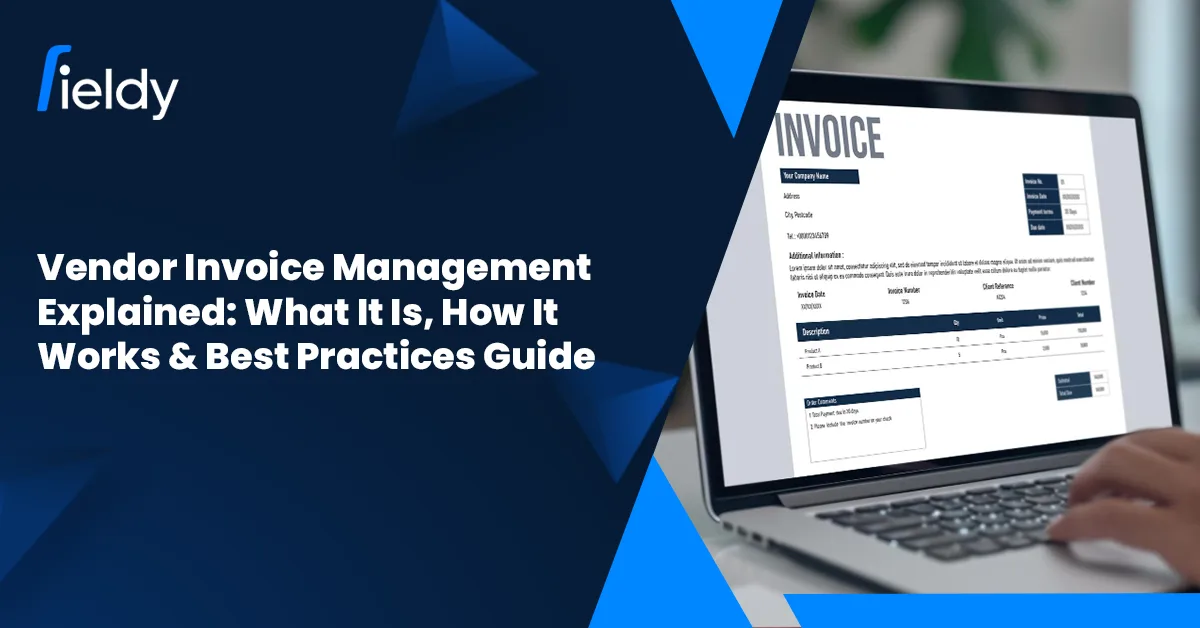
Before going any further, it’s good to figure out β€œwhat is a vendor invoice”. A vendor invoice is a paper sent by a seller asking the buyer to pay for the goods delivered or services provided. It normally contains information like invoice number, date, description of goods, quantity, price, and payment conditions.

For service companies, invoice creation could be made directly on platforms such as field service invoicing software, where a technician, after finishing the work, can quickly generate and send an invoice. This way, it minimizes wait times and makes the billing more accurate.

🏒 Vendor Invoice Management in Modern Businesses

Toβ€‹β€β€‹β€Œβ€β€‹β€β€Œβ€‹β€β€‹β€Œβ€β€‹β€β€Œ understand what vendor invoice management means in the β€œvendor management industry”, one has to see how businesses manage their suppliers and partners. Vendor invoice management is far more than just paying invoices – it involves keeping vendor relationships healthy by ensuring accountability, compliance, and trust.

Often, companies combine their invoice and accounting systems with FSM software to link financial operations with service delivery processes. This way, they know that each service call, parts consumption, and supplier contact is properly documented and β€‹β€β€‹β€Œβ€β€‹β€β€Œβ€‹β€β€‹β€Œβ€β€‹β€β€Œinvoiced.

πŸ”„ Vendor Invoice Processing: How It Works

Vendor invoice processing is the main and most important part of the whole invoice management system. This is because it is directly responsible for handling the flow of invoices through different stages, starting with invoice receipt and ending with payment.Β 

πŸ”’ Step πŸ“ Description
1️⃣ Invoice Receipt πŸ“„ Vendor submits invoice
2️⃣ Verification βœ”οΈ Check accuracy and compliance
3️⃣ Approval πŸ‘€ The manager or the finance team approves
4️⃣ Payment Processing πŸ’Έ Payment is scheduled and released
5️⃣ Record Keeping πŸ“š Invoice stored for audits

CTA Banner 1

πŸ“‹ Invoice Management Process

A well-defined invoice management process is a great support for enterprises as it spares them from making duplicate payments, probably billing mistakes, and running afoul of compliance.

In organizations running field operations, the process of handling invoices is generally associated with the use of the field service scheduling software. This is a way to make sure that the invoices are based on actual work β€‹β€β€‹β€Œβ€β€‹β€β€Œβ€‹β€β€‹β€Œβ€β€‹β€β€Œdone.

πŸ–₯️ Features of Vendor Invoice Management Software

Modernβ€‹β€β€‹β€Œβ€β€‹β€β€Œβ€‹β€β€‹β€Œβ€β€‹β€β€Œ enterprises are dependent on automation tools to make invoice processing easier. The features of vendor invoice management software aim to cut down on manual labor and raise the level of precision.

πŸ”‘ Key Features

  • Automated invoice capture
  • Approval workflows
  • Real-time tracking
  • Integration with accounting systems
  • Reporting and analytics

Service firms sometimes link invoicing with estimating tools such as field service quoting software. This way, quotes work orders, and invoices stay consistent during the entire job β€‹β€β€‹β€Œβ€β€‹β€β€Œβ€‹β€β€‹β€Œβ€β€‹β€β€Œlifecycle.

⚠️ Importance of Vendor Invoice Management

Handlingβ€‹β€β€‹β€Œβ€β€‹β€β€Œβ€‹β€β€‹β€Œβ€β€‹β€β€Œ invoices efficiently can profoundly influence not only a company’s financial position but also its ability to run smoothly.

⚑Why It Matters

  • Prevents payment delays
  • Improves cash flow management
  • Reduces administrative workload
  • Enhances vendor relationships
  • Ensures compliance and audit readiness

In the business of field operations, managing invoices can be linked up with field service dispatch software in such a way that sending bills becomes strictly connected to jobs that have been dispatched and services that have been β€‹β€β€‹β€Œβ€β€‹β€β€Œβ€‹β€β€‹β€Œβ€β€‹β€β€Œcompleted.

🀝 How Vendor Invoice Management Improves Vendor Relationships

β€‹β€β€‹β€Œβ€β€‹β€β€Œβ€‹β€β€‹β€Œβ€β€‹β€β€Œ A primary concern that companies raise is β€œHow does vendor invoice management improve vendor relationships?” The answer is through clear communication and establishing a reliable partnership.

When invoices are handled correctly, and payments are consistently delivered on time, vendors tend to put your business first. This results in improved pricing, quicker service, and the development of more robust long-term partnerships.Β 

Furthermore, managing vendor invoices supports larger supplier strategies, for example, β€œwhat is vendor management”, a strategy revolving around the establishment and maintenance of productive vendor relationships. β€‹β€β€‹β€Œβ€β€‹β€β€Œβ€‹β€β€‹β€Œβ€β€‹β€β€Œ

πŸ“¦ Role of Inventory in Vendor Invoice Management

Inventoryβ€‹β€β€‹β€Œβ€β€‹β€β€Œβ€‹β€β€‹β€Œβ€β€‹β€β€Œ and invoice processing typically go hand in hand. The companies handling the stocks are the ones to make sure that the invoices are in line with the stock records.

Having a grasp of what inventory management software is will be of great help in integrating the stock tracking and invoice processing. This is a way of verifying that the goods received are the same as those on the vendor’s invoice.

Organizations implementing the top inventory management software have the potential to perform invoice and inventory level reconciliation without human intervention, thereby lessening the differences and enhancing the correctness.

The vendor-managed systems or VMIs are also one of the factors. The companies that go for the VMI model, with the help of what is vendor managed inventory, in most cases link their invoicing automatically to the inventory β€‹β€β€‹β€Œβ€β€‹β€β€Œβ€‹β€β€‹β€Œβ€β€‹β€β€Œreplenishment.

βœ… Best Practices for Managing Vendor Payments and Receipts

Oneβ€‹β€β€‹β€Œβ€β€‹β€β€Œβ€‹β€β€‹β€Œβ€β€‹β€β€Œ way to accomplish this is by following best practices for managing vendor payments and receipts.

πŸ› οΈ Recommended Practices

  • Automate invoice processing
  • Establish clear approval workflows
  • Maintain accurate records
  • Monitor payment deadlines
  • Conduct regular audits

These practices are helping companies to keep financial discipline and to stay away from costly errors.

In fact, the plumbing and maintenance industry is an example in which the use of the best plumbing software that has the facility to do invoicing helps the most in managing β€‹β€β€‹β€Œβ€β€‹β€β€Œβ€‹β€β€‹β€Œβ€β€‹β€β€Œpayments.

🏘️ Tracking Vendor Invoices in Property Management

Propertyβ€‹β€β€‹β€Œβ€β€‹β€β€Œβ€‹β€β€‹β€Œβ€β€‹β€β€Œ management companies deal with various vendors simultaneously, which often results in complex inventory and purchase handling issues.

Adopting best practices for tracking vendor invoices in property management helps to accurately record expenses for multiple properties. Apart from managing maintenance and repair works, these companies also focus on coordinating various vendor services all at once.

Combining the invoicing process with day-to-day operational tools is a great way to enhance transparency and control. Besides, companies with service teams frequently rely on logistics tools such as best route optimization software to schedule vendor visits and service calls in an efficient β€‹β€β€‹β€Œβ€β€‹β€β€Œβ€‹β€β€‹β€Œβ€β€‹β€β€Œmanner.

CTA Banner 2

πŸ› οΈ Tips for Selecting Vendor Invoice Management Tools

Choosingβ€‹β€β€‹β€Œβ€β€‹β€β€Œβ€‹β€β€‹β€Œβ€β€‹β€β€Œ the right system is vital. To find out the tips for selecting vendor invoice management tools for my business, one should focus on these aspects:Β 

βœ… Selection Criteria

  • Ease of use
  • Integration capabilities
  • Automation features
  • Reporting tools
  • Scalability

An appropriate instrument should not only meet the current requirements of the business but also be a support for its future β€‹β€β€‹β€Œβ€β€‹β€β€Œβ€‹β€β€‹β€Œβ€β€‹β€β€Œgrowth.

🌟 Vendor Invoice Management and Customer Experience

Invoiceβ€‹β€β€‹β€Œβ€β€‹β€β€Œβ€‹β€β€‹β€Œβ€β€‹β€β€Œ management is a topic that concerns not only vendors but also customers. Smooth financial processes are a key factor in fostering effective customer service. Companies typically ask themselves the question: What is customer experience management?

to find out how the efficiency of their operations would affect their customers’ happiness. Making payments to vendors on time is one of the ways to keep the supply chain running smoothly, which in turn affects the quality of service.Β 

Firms that focus on β€œhow to improve customer experience” often look at ways to make internal processes more efficient, such as invoicing and vendor β€‹β€β€‹β€Œβ€β€‹β€β€Œβ€‹β€β€‹β€Œβ€β€‹β€β€Œmanagement.

πŸ“Š Measuring Customer Experience Through Financial Efficiency

Financialβ€‹β€β€‹β€Œβ€β€‹β€β€Œβ€‹β€β€‹β€Œβ€β€‹β€β€Œ processes are an often-overlooked factor in the overall customer satisfaction. Companies seeking β€œhow to measure customer experience” usually include operational efficiency among the major indicators.

Disruptions in service caused by invoice delays are one of the main ways in which customers get a negative impact.Β 

Also, many enterprises want to know how to measure digital customer experience, in particular when implementing automatic billing and online payment β€‹β€β€‹β€Œβ€β€‹β€β€Œβ€‹β€β€‹β€Œβ€β€‹β€β€Œsystems.

🎯 What Makes a Great Customer Experience?

Effectiveβ€‹β€β€‹β€Œβ€β€‹β€β€Œβ€‹β€β€‹β€Œβ€β€‹β€β€Œ backend operations are one of the contributing factors to the success of the front-end side. Knowing β€œwhat makes a great customer experience” is one of the ways you can guarantee that services will be timely and uninterrupted.

Besides, invoice management is a part of that too by enabling the vendor to be paid on time so that they will keep offering reliable services.

Companies that grasp the concept of β€œwhy is customer experience important” are the ones that generally fund the purchasing of the automation tools that operate the workings of the business with the least effort, as well as provide a very high level of service β€‹β€β€‹β€Œβ€β€‹β€β€Œβ€‹β€β€‹β€Œβ€β€‹β€β€Œquality.

πŸ’¬ Customer Service and Vendor Payments

Financeβ€‹β€β€‹β€Œβ€β€‹β€β€Œβ€‹β€β€‹β€Œβ€β€‹β€β€Œ operations also have an impact on customer experience. So knowing β€œwhat is customer service experience” is very important to know. Vendors who receive payment promptly are usually the ones who offer superior service. This, in turn, leads to positive customer reception.

Good invoice processing helps customer service departments to obtain what they require to satisfy β€‹β€β€‹β€Œβ€β€‹β€β€Œβ€‹β€β€‹β€Œβ€β€‹β€β€Œcustomers.

⏳ How Effective Is It to Submit Vendor Invoices Only?

Someβ€‹β€β€‹β€Œβ€β€‹β€β€Œβ€‹β€β€‹β€Œβ€β€‹β€β€Œ businesses have only manual invoice submission processes. However, most of them still ask β€œhow effective is it to submit vendor invoices only” without automation.

The truth is that manual processes usually result in delays, mistakes, and inefficiencies. Automated systems offer more accurate, faster processing, and better β€‹β€β€‹β€Œβ€β€‹β€β€Œβ€‹β€β€‹β€Œβ€β€‹β€β€Œtracking.

🏁 Final Thoughts

Understandingβ€‹β€β€‹β€Œβ€β€‹β€β€Œβ€‹β€β€‹β€Œβ€β€‹β€β€Œ β€œwhat is vendor invoice management?” is a must for businesses that want to make financial operations smoother and deepen relationships with their vendors.

Organizing a method from invoice handling through to payment recording delivers a correct, fast, and clear approach. Businesses implementing innovative technologies and following the best procedures are ahead of the market by delivering great operational performance and excellent customer satisfaction at the same time.

By 2026, vendor invoice management will have evolved from being only an accounting function to becoming a strategic process that integrates finance, operations, and customer experience within a single β€‹β€β€‹β€Œβ€β€‹β€β€Œβ€‹β€β€‹β€Œβ€β€‹β€β€Œsystem.

πŸ“¦ What Is Vendor Management? The Complete Guide to Managing Suppliers Efficiently in 2026

❓ Introduction

Nowadays, β€‹β€β€‹β€Œβ€β€‹β€β€Œβ€‹β€β€‹β€Œβ€β€‹β€β€Œ external suppliers contribute a major share to the operations of businesses. Vendors provide everything from raw materials to outsourced services, and without them, organizations wouldn’t be able to function. Therefore, it is only natural that companies introduce a systematic approach to managing their supplier relationships. This is the realm of vendor management.Β 

First of all, what is vendor management? Vendor management is the supply chain management part that involves picking, introducing, supervising, and keeping in touch with the suppliers who supply goods or services to the company. Proper vendor management leads to quality service, cost savings, lowered risks, and the establishment of long term strategic partnerships.

In fact, companies nowadays from different sectors, be it the manufacturing or retail ones, or even the service businesses, are placing great emphasis on supplier management as a structured activity. Those companies that adhere to the vendor management best practices enjoy higher operational control, contract performance improvement, and fewer supply chain disruptions.

This guide explains the vendor management definition, its stages, the advantages and process, and tips for businesses in β€‹β€β€‹β€Œβ€β€‹β€β€Œβ€‹β€β€‹β€Œβ€β€‹β€β€Œ2026.

πŸ“˜ Vendor Management Definition and Meaning

Vendor management means coming to terms with the fact that those vendors are outside the company, supplying products or offering services. A supplier can be an equipment manufacturer, a software provider, a contractor, a logistics company, or a service partner.

The vendor management definition is a structured vendor management process through which one can manage supplier relationships, starting from the selection stage up to the performance evaluation stage. This includes vendor identification, contract negotiation, risk management, performance monitoring, and ongoing communication.Β 

Today, businesses mostly depend on digital tools for efficient supplier management. For instance, companies dispatching a pool of technicians and vendors are frequently using vendor support as a part of their FSM software, therefore allowing the business to keep an eye on vendor performance in addition to field operations and work orders.

Vendor management also intersects with the issues of procurement, supply chains, and operational planning. Those entities that adopt a vendor strategy have fewer risks, and their services are β€‹β€β€‹β€Œβ€β€‹β€β€Œβ€‹β€β€‹β€Œβ€β€‹β€β€Œstable.

πŸ‘€ What Is a Vendor Manager?

Typically, β€‹β€β€‹β€Œβ€β€‹β€β€Œβ€‹β€β€‹β€Œβ€β€‹β€β€Œ a company will assign a specialist who handles the supplier relationship management. This position is called a vendor manager.Β 

So what is a vendor manager exactly? A vendor manager is someone who oversees their suppliers by measuring their performance, bargaining the terms, checking the delivery of services, and establishing lasting partner relationships with the vendors.

In fact, a vendor manager makes sure that the suppliers are capable of delivering the agreed services, are compliant with the contracts, and are helpful in reaching the company’s objectives. In companies that heavily depend on service partners and subcontractors, a vendor manager usually runs the operations through a field service management app platform, which assists in tracking service jobs, vendors, and customer requests within a single system.

Besides all this, vendor managers work hand in hand with procurement teams, operations managers, and finance departments, ensuring that vendor contracts are always the most cost-effective and β€‹β€β€‹β€Œβ€β€‹β€β€Œβ€‹β€β€‹β€Œβ€β€‹β€β€Œadvantageous.

πŸ’» What Is IT Vendor Management?

Technologyβ€‹β€β€‹β€Œβ€β€‹β€β€Œβ€‹β€β€‹β€Œβ€β€‹β€β€Œ providers are arguably one of the most significant vendor categories for today’s businesses. Software vendors, infrastructure partners, and managed service providers are very much relied upon by many organizations.Β 

That is when the concept of β€œwhat is IT vendor management” comes into play. Managing vendor relationships in IT means handling those technology suppliers that provide hardware, software, cloud services, or IT support.

IT vendor managers assess vendor performance, monitor service-level agreements (SLAs), and make sure that vendors provide dependable technology solutions. Companies that rely heavily on service technicians generally synchronize IT vendors with scheduling tools like field service scheduling software. This would facilitate businesses in organizing service calls, vendor support, and technician assignments in an efficient way.

With more digital systems being adopted by businesses, IT vendor management is a crucial matter for ensuring operational β€‹β€β€‹β€Œβ€β€‹β€β€Œβ€‹β€β€‹β€Œβ€β€‹β€β€Œcontinuity.

πŸ”„ Vendor Management Lifecycle

Theβ€‹β€β€‹β€Œβ€β€‹β€β€Œβ€‹β€β€‹β€Œβ€β€‹β€β€Œ vendor management lifecycle outlines the stages companies go through when managing their supplier relationships effectively. The lifecycle allows companies to have a structured approach when dealing with multiple vendors.

The vendor lifecycle generally comprises:

πŸ“Š Stage πŸ“ Description
πŸ” Vendor Identification Research potential vendors
βœ… Vendor Selection Evaluate proposals and choose suppliers
🀝 Contract Negotiation Define terms, pricing, and service levels
πŸ”— Vendor Onboarding Integrate the vendor into business operations
πŸ“Š Performance Monitoring Track vendor performance
πŸ’Ό Relationship Management Maintain long-term partnerships
πŸ”„ Vendor Renewal or Exit Renew contract or replace vendor

CTA Banner 1

Service companies usually monitor vendor performance through tools such as field service booking software that supports scheduling service requests with resources provided by the vendors.

Makes vendors accountable and in sync with business goals is the aim of following a structured β€‹β€β€‹β€Œβ€β€‹β€β€Œβ€‹β€β€‹β€Œβ€β€‹β€β€Œlifecycle.

βš™οΈ Vendor Management Process

Aβ€‹β€β€‹β€Œβ€β€‹β€β€Œβ€‹β€β€‹β€Œβ€β€‹β€β€Œ lot of companies wonder, β€œWhat is the vendor management process?” when they are thinking of supplier management strategies. The process, on a very broad level, involves several steps that are focused on holding vendors responsible and measuring their performance.

Vendor management process is about selecting the vendor, managing the contract, monitoring the vendor’s performance, and developing relationships.

Organizations functioning in several regions often combine vendor management with location-based operational planning. The businesses managing vendors across territories mostly depend on operational data and sometimes exchange insights through field service case studies to see how supplier partnerships lead to increased efficiency.

An excellent vendor management process plays a key role in reducing identification of potential risks, ensuring no interruption of services, and keeping in good standing with the β€‹β€β€‹β€Œβ€β€‹β€β€Œβ€‹β€β€‹β€Œβ€β€‹β€β€Œsuppliers.

πŸ” Vendor Management Workflow

Theβ€‹β€β€‹β€Œβ€β€‹β€β€Œβ€‹β€β€‹β€Œβ€β€‹β€β€Œ vendor management workflow depicts the sequence of processes that a company goes through in managing its suppliers. In general, these processes include vendor evaluation, vendor entry into the system, vendor monitoring, and performance appraisal.

Nowadays, a lot of companies use digital systems to automate some functions of this workflow. Such systems can keep a record of supplier performance indicators, contract expiry dates, and service delivery schedules.

Depending on the business model, service-oriented organizations may also combine vendor management workflows with a rewards program like a field services referral program, which is a method of inducing partners and vendors to present new client or service opportunities.

By automating these routine tasks, manual labor is decreased, and at the same time, the vendors are kept in line with the company’s β€‹β€β€‹β€Œβ€β€‹β€β€Œβ€‹β€β€‹β€Œβ€β€‹β€β€Œgoals.

πŸ“¦ Vendor-Managed Inventory and Vendor Partnerships

Aβ€‹β€β€‹β€Œβ€β€‹β€β€Œβ€‹β€β€‹β€Œβ€β€‹β€β€Œ new supplier relationships trend is vendor-managed inventory. Here, the vendors monitor and restock the inventory of their clients.

Vendor-managed systems are definitely beneficial in industries with complicated supply chains when the inventory demand changes regularly.

Companies introducing vendor-managed inventory usually depend on digital platforms like the top inventory management software, which enables vendors and clients to see the inventory status at any moment.

Vendor-managed models assist companies in minimizing storage costs, operating the supply chain more efficiently, and keeping product availability regular.

🌟 Benefits of Vendor Management

Businessesβ€‹β€β€‹β€Œβ€β€‹β€β€Œβ€‹β€β€‹β€Œβ€β€‹β€β€Œ that embark on well-planned supplier strategies usually find their operations work far better. The benefits vendor management carries are helping to contain costs, developing company-supplier relationships, and better quality of service.Β 

Major benefits include:

πŸ’‘ Benefit πŸ“ Description
πŸ’° Cost optimization Negotiating better vendor pricing
⭐ Improved service quality Vendors meet performance standards
⚠️ Risk reduction Monitoring supplier reliability
βš™οΈ Operational efficiency Streamlined workflows
🀝 Long-term partnerships Strong supplier relationships


Some of the operations that a firm integrates with vendor management, combined with the best plumbing software, can manage contractors, service vendors, and suppliers more easily in the business ecosystem.Β 

Alongside this, vendor management will help businesses evaluate the vendors’ performance periodically. And see that the service providers comply with the terms of the β€‹β€β€‹β€Œβ€β€‹β€β€Œβ€‹β€β€‹β€Œβ€β€‹β€β€Œcontract.

πŸ–₯️ What Is a Vendor Management System?

Businessesβ€‹β€β€‹β€Œβ€β€‹β€β€Œβ€‹β€β€‹β€Œβ€β€‹β€β€Œ handling a large number of suppliers frequently implement technological tools to automate the tracking and reporting of their vendors.Β 

So, what is a vendor management system? A vendor management system (VMS) is a software application that enables companies to handle supplier relationships, keep track of contracts, evaluate vendor performance, and automate procurement procedures. Such systems are designed to assist companies in consolidating supplier data and enhancing the visibility of procurement processes.

Those organizations maintaining stock from suppliers often link vendor management systems with the software that answers the question β€œwhat is inventory management software”, which facilitates the smooth integration of inventory levels with supplier orders. Vendor management systems become invaluable for large enterprises employing dozens or even hundreds of β€‹β€β€‹β€Œβ€β€‹β€β€Œβ€‹β€β€‹β€Œβ€β€‹β€β€Œsuppliers.

πŸ“Š Factors to Consider in Vendor Management

Oneβ€‹β€β€‹β€Œβ€β€‹β€β€Œβ€‹β€β€‹β€Œβ€β€‹β€β€Œ of the most common questions companies pose is what factors to consider in vendor management when choosing suppliers. It is essential to do a vendor evaluation thoroughly to verify if the suppliers meet the company’s objectives.

The main points to consider are:

  • Vendor reliability and reputation
  • Pricing and cost efficiency
  • Service quality and delivery timelines
  • Compliance with industry standards
  • Financial stability
  • Communication and support capabilities

Businesses that depend on their logistics or field teams for their operations sometimes choose to use vendor information in combination with their primary tools, such as the best route optimization software that helps them not only to arrange deliveries but also to synchronize supplier services with operational routes.

Checking all these points will help to make sure that vendors are not only good suppliers but also partners that contribute to the success of one’s β€‹β€β€‹β€Œβ€β€‹β€β€Œβ€‹β€β€‹β€Œβ€β€‹β€β€Œbusiness.

βœ… Vendor Management Best Practices

Implementing strongβ€‹β€β€‹β€Œβ€β€‹β€β€Œβ€‹β€β€‹β€Œβ€β€‹β€β€Œ vendor management best practices is one of the ways to help organizations build long-term supplier partnerships and achieve operational stability.

Here are some of the best practices that have been proven to work:

  1. Establish clear contracts and service-level agreements
  2. Track vendor performance using measurable metrics
  3. Maintain open communication with suppliers
  4. Conduct regular performance reviews
  5. Use technology to automate vendor management processes

Business organizations that use structured vendor management measures often experience greater operational efficiency, closer partnerships, and lower procurement risks.

Vendor managers are also key players in upholding these practices and making sure that suppliers live up to the expectations of the β€‹β€β€‹β€Œβ€β€‹β€β€Œβ€‹β€β€‹β€Œβ€β€‹β€β€Œbusiness.

🏁 Final Thoughts

Itβ€‹β€β€‹β€Œβ€β€‹β€β€Œβ€‹β€β€‹β€Œβ€β€‹β€β€Œ is very important for modern businesses that depend on suppliers for products, services, or technology to understand β€œwhat is vendor management”. Vendor management controls a company’s spending, ensures it is getting the level of service it has paid for, and can also minimize the risks associated with the supply chain.

Choosing vendors and keeping track of their performance are just two of the phases in the vendor management lifecycle that nurture a successful supplier relationship. With the growth of businesses and the increasing complexity of their operations, vendor management can become a source of competitive advantage.Β 

Firms that develop sound vendor strategies and adopt cutting-edge tools will be capable of not only keeping their supply chains running smoothly but also reaching their target outcomes in 2026 and the following β€‹β€β€‹β€Œβ€β€‹β€β€Œβ€‹β€β€‹β€Œβ€β€‹β€β€Œyears.

CTA Banner 2